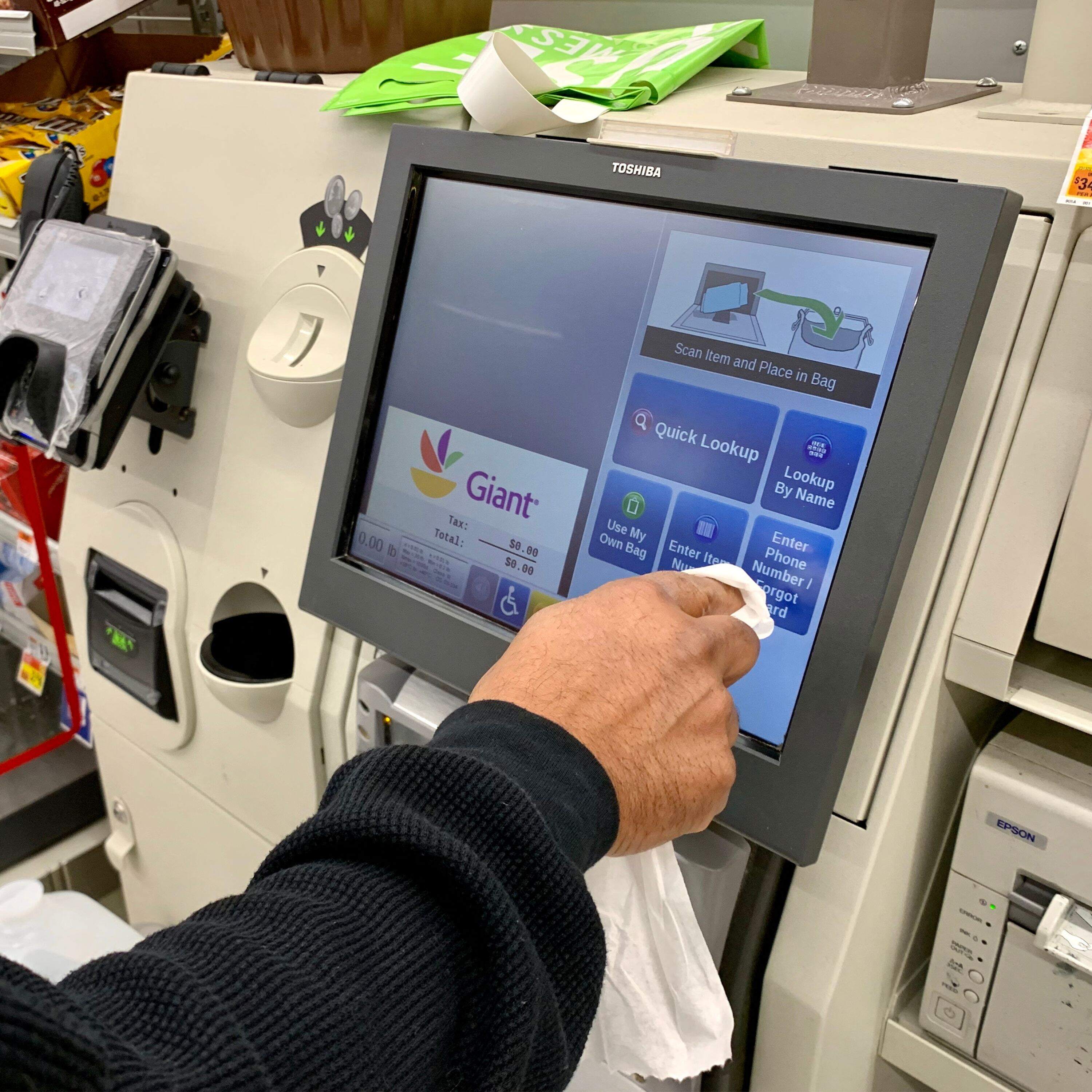
Can you trust you're getting the same grocery prices as someone else?
When you're in a grocery store nowadays, chances are your data is being collected. From a swipe of the loyalty card to the purchase of an ice cream pint, your data tells stores what you like, how much they should stock, and more. But what if that data meant a grocer could charge you a different price than another shopper? On today's show, the evolving price tag. Related episodes: Should 'surveillance pricing' be banned? (https://www.npr.org/2025/09/23/nx-s1-5550264/should-surveillance-pricing-be-banned) How Grocery Shelves Get Stacked (https://www.npr.org/2019/04/30/718711109/how-grocery-shelves-get-stacked) How niche brands got into your local supermarket (https://www.npr.org/2024/01/25/1197961375/battle-grocery-shelf-space-niche-brands) For sponsor-free episodes of The Indicator from Planet Money, subscribe to Planet Money+ via Apple Podcasts or at plus.npr.org (http://plus.npr.org/). Fact-checking by Sierra Juarez (https://www.npr.org/people/1268825622/sierra-juarez). Music by Drop Electric (https://dropelectric.bandcamp.com/). Find us: TikTok (https://www.tiktok.com/@planetmoney), Instagram (https://www.instagram.com/planetmoney/), Facebook (https://www.facebook.com/planetmoney), Newsletter (https://www.npr.org/newsletter/money). To manage podcast ad preferences, review the links below: See pcm.adswizz.com (https://pcm.adswizz.com) for information about our collection and use of personal data for sponsorship and to manage your podcast sponsorship preferences. Learn more about sponsor message choices: podcastchoices.com/adchoices (https://podcastchoices.com/adchoices) NPR Privacy Policy (https://www.npr.org/about-npr/179878450/privacy-policy)