The Indicator from Planet Money
ExplorePodcast overview and latest content
EpisodesBrowse the full episode archive
TopicsDiscover episodes by category
PostsBrowse published articles & write-ups

Podcast

  • Explore
  • Episodes
  • Topics
  • Posts

Recent Episodes

  • Want a 2.5% mortgage? Buy it.
  • The anxiety rattling China’s youth
  • Why Paramount went looney tunes for Warner Bros.
  • Should the families of organ donors be compensated?
  • ICE is bad for business, heat is bad for coffee, and sci-fi is bad for markets

Links

  • Apple Podcasts
  • Overcast

About

The Indicator from Planet Money

The Indicator from Planet Money

A bite-sized show about big ideas. From the people who make Planet Money, The Indicator helps you make sense of what's happening in today's economy. It's a quick hit of insight into money, work, and business. Monday through Friday, in 10 minutes or less.

Powered byPodRewind

    All Episodes

    300 episodes

    How college sports juiced Olympic development

    How college sports juiced Olympic development

    Feb 5, 20269 min

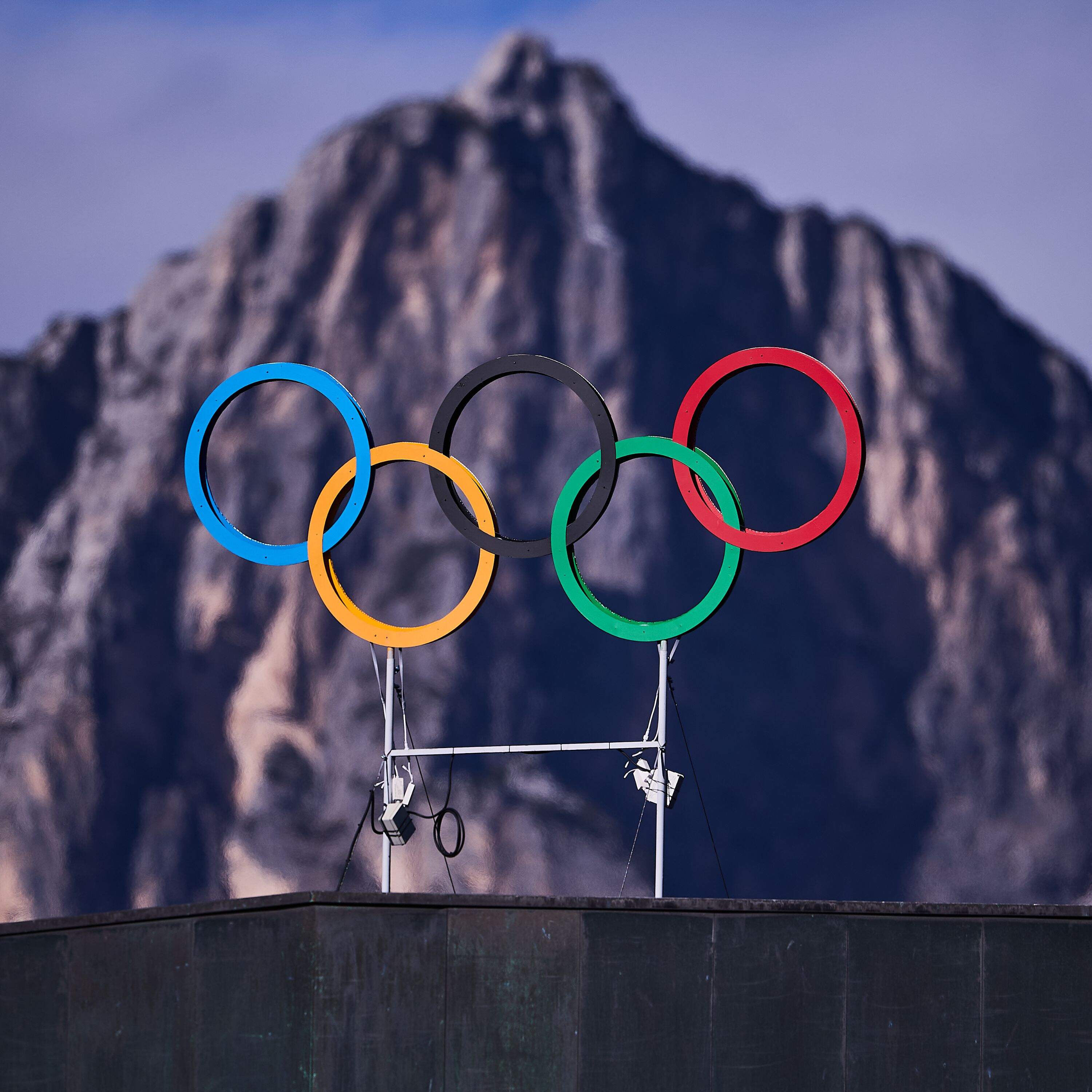
    How did the U.S. become the Olympic powerhouse it is today? Cold War competition. The Soviet Union sponsored their athletes. But America wanted its athletes to pull themselves up by their bootstraps. It birthed an unexpected accelerator of Olympic development: College football. Stay with us now. On today’s show, how college football became an Olympic development engine. And how that engine might not be running as smoothly as it once did. Related episodes:  Why the Olympics cost so much (https://www.npr.org/2024/08/01/1197967951/paris-2024-olympics-hosting-costs) You can't spell Olympics without IP (https://www.npr.org/2024/08/08/1197968045/paris-olympics-trademarks-enforcement-intellectual-property) A huge EU-India deal, Heated Rivalry, and a hefty $200k to Olympians (https://www.npr.org/2026/01/30/nx-s1-5693173/a-huge-eu-india-deal-heated-rivalry-and-a-hefty-200k-to-olympians) Why Host The Olympics? (https://www.npr.org/2021/08/05/1025310133/why-host-the-olympics) The monetization of college sports (https://www.npr.org/2022/07/19/1112316993/the-monetization-of-college-sports) For sponsor-free episodes of The Indicator from Planet Money, subscribe to Planet Money+ via Apple Podcasts or at plus.npr.org (http://plus.npr.org/). Fact-checking by Sierra Juarez (https://www.npr.org/people/1268825622/sierra-juarez). Music by Drop Electric (https://dropelectric.bandcamp.com/). Find us: TikTok (https://www.tiktok.com/@planetmoney), Instagram (https://www.instagram.com/planetmoney/), Facebook (https://www.facebook.com/planetmoney), Newsletter (https://www.npr.org/newsletter/money). To manage podcast ad preferences, review the links below: See pcm.adswizz.com (https://pcm.adswizz.com) for information about our collection and use of personal data for sponsorship and to manage your podcast sponsorship preferences. Learn more about sponsor message choices: podcastchoices.com/adchoices (https://podcastchoices.com/adchoices) NPR Privacy Policy (https://www.npr.org/about-npr/179878450/privacy-policy)

    College FootballOlympic DevelopmentCold War
    Warming your house the green way just got more expensive

    Warming your house the green way just got more expensive

    Feb 4, 20268 min

    People wanting to purchase heat pumps might soon face sticker shock. Many consumers have sought out energy credits to find a greener and more affordable alternative to heating oil, but the tax credit to help make them cheaper has expired. Today on the show: how homeowners, the renewables industry, and its critics all feel about it.Related episodes: Metals, government debt, and a climate lawsuit (https://www.npr.org/2023/08/18/1194742750/metals-government-debt-and-a-climate-lawsuit)All these data centers are gonna fry my electric bill … right? (https://www.npr.org/2026/02/03/nx-s1-5696566/all-these-data-centers-are-gonna-fry-my-electric-bill-right)Cold-o-nomics (https://www.npr.org/2019/02/04/691359678/cold-o-nomics)For sponsor-free episodes of The Indicator from Planet Money, subscribe to Planet Money+ via Apple Podcasts or at plus.npr.org (http://plus.npr.org/). Fact-checking by Sierra Juarez (https://www.npr.org/people/1268825622/sierra-juarez). Music by Drop Electric (https://dropelectric.bandcamp.com/). Find us: TikTok (https://www.tiktok.com/@planetmoney), Instagram (https://www.instagram.com/planetmoney/), Facebook (https://www.facebook.com/planetmoney), Newsletter (https://www.npr.org/newsletter/money).  To manage podcast ad preferences, review the links below: See pcm.adswizz.com (https://pcm.adswizz.com) for information about our collection and use of personal data for sponsorship and to manage your podcast sponsorship preferences. Learn more about sponsor message choices: podcastchoices.com/adchoices (https://podcastchoices.com/adchoices) NPR Privacy Policy (https://www.npr.org/about-npr/179878450/privacy-policy)

    Heat PumpsTax CreditsInflation Reduction Act
    All these data centers are gonna fry my electric bill … right?

    All these data centers are gonna fry my electric bill … right?

    Feb 3, 20269 min

    Data centers are getting a lot of heat right now. There’s neighborhood pushback against them for water usage and environmental concerns, and some politicians on both sides of the aisle aren’t fans for the same reasons. There’s also fear that they could drive up the cost of electricity bills. But that last bit isn’t set in stone. Data center electric bill upcharge is not a guarantee. In fact, it is even possible for data centers to cause power bills to go down. Today on the show: the future of your power bill.Related episodes:  No AI data centers in my backyard! (https://www.npr.org/2025/10/22/nx-s1-5581445/no-ai-data-centers-in-my-backyard)  What AI data centers are doing to your electric bill (https://www.npr.org/2025/12/19/nx-s1-5649814/ai-data-center-electricity-bill)For sponsor-free episodes of The Indicator from Planet Money, subscribe to Planet Money+ via Apple Podcasts or at plus.npr.org (http://plus.npr.org/). Fact-checking by Sierra Juarez (https://www.npr.org/people/1268825622/sierra-juarez). Music by Drop Electric (https://dropelectric.bandcamp.com/). Find us: TikTok (https://www.tiktok.com/@planetmoney), Instagram (https://www.instagram.com/planetmoney/), Facebook (https://www.facebook.com/planetmoney), Newsletter (https://www.npr.org/newsletter/money).   To manage podcast ad preferences, review the links below: See pcm.adswizz.com (https://pcm.adswizz.com) for information about our collection and use of personal data for sponsorship and to manage your podcast sponsorship preferences. Learn more about sponsor message choices: podcastchoices.com/adchoices (https://podcastchoices.com/adchoices) NPR Privacy Policy (https://www.npr.org/about-npr/179878450/privacy-policy)

    Data CentersElectric BillsAI
    America's next top Fed Chair

    America's next top Fed Chair

    Feb 2, 20269 min

    Kevin Warsh has been tapped as the next chair of the Federal Reserve. We’re sure that he’ll have a lot of questions about how to run the Fed if confirmed. So we put together this briefing. On today’s show, three Fed watchers give their advice for the next chair. On politics, interest rate cuts and dealing with the Fed’s repeated trading scandals. Oh, and can someone please forward this episode to Kevin Warsh? Related episodes:  One Fed battle after another (https://www.npr.org/2026/01/13/nx-s1-5675867/one-fed-battle-after-another) Lisa Cook and the fight for the Fed (https://www.npr.org/2025/08/29/nx-s1-5522330/lisa-cook-trump-lawsuit-federal-reserve-independence) A primer on the Federal Reserve's independence (https://www.npr.org/2025/04/23/1246593555/federal-reserve-independence) It's hard out there for a Fed chair (https://www.npr.org/2025/05/08/1249919772/jerome-powell-fed-reserve-job-security) For sponsor-free episodes of The Indicator from Planet Money, subscribe to Planet Money+ via Apple Podcasts or at plus.npr.org (http://plus.npr.org/). Fact-checking by Sierra Juarez (https://www.npr.org/people/1268825622/sierra-juarez). Music by Drop Electric (https://dropelectric.bandcamp.com/). Find us: TikTok (https://www.tiktok.com/@planetmoney), Instagram (https://www.instagram.com/planetmoney/), Facebook (https://www.facebook.com/planetmoney), Newsletter (https://www.npr.org/newsletter/money). To manage podcast ad preferences, review the links below: See pcm.adswizz.com (https://pcm.adswizz.com) for information about our collection and use of personal data for sponsorship and to manage your podcast sponsorship preferences. Learn more about sponsor message choices: podcastchoices.com/adchoices (https://podcastchoices.com/adchoices) NPR Privacy Policy (https://www.npr.org/about-npr/179878450/privacy-policy)

    Kevin WarshFederal ReserveJerome Powell
    A huge EU-India deal, Heated Rivalry, and a hefty $200k to Olympians

    A huge EU-India deal, Heated Rivalry, and a hefty $200k to Olympians

    Jan 30, 202610 min

    It’s … Indicators of the Week! Our weekly look at some of the most fascinating economic numbers from the news.  On today’s episode: a HUGE trade deal between India and the European Union, all the hot hockey romance New Yorkers could ever want, and a heavy earnings purse for Olympic competitors, win or lose.   Related episodes:  Why the Olympics cost so much (https://www.npr.org/2024/08/01/1197967951/paris-2024-olympics-hosting-costs) The surprising economics of digital lending (https://www.npr.org/2022/08/18/1118289764/the-surprising-economics-of-digital-lending)  For sponsor-free episodes of The Indicator from Planet Money, subscribe to Planet Money+ via Apple Podcasts or at plus.npr.org (http://plus.npr.org/). Fact-checking by Julia Ritchey and Vito Emanuel. Music by Drop Electric (https://dropelectric.bandcamp.com/). Find us: TikTok (https://www.tiktok.com/@planetmoney), Instagram (https://www.instagram.com/planetmoney/), Facebook (https://www.facebook.com/planetmoney), Newsletter (https://www.npr.org/newsletter/money).   Preorder Planet Money's new book here (https://www.planetmoneybook.com/)! To manage podcast ad preferences, review the links below: See pcm.adswizz.com (https://pcm.adswizz.com) for information about our collection and use of personal data for sponsorship and to manage your podcast sponsorship preferences. Learn more about sponsor message choices: podcastchoices.com/adchoices (https://podcastchoices.com/adchoices) NPR Privacy Policy (https://www.npr.org/about-npr/179878450/privacy-policy)
    EU-India Trade DealHeated RivalryNew York Public Library
    Hawaii’s worker shortage goes NUTS

    Hawaii’s worker shortage goes NUTS

    Jan 29, 20269 min

    Macadamia nuts. Labor shortages. Volcanoes. All that might sound like econ Mad Libs, but they’re all connected to the Federal Reserve Bank of San Francisco’s entry into the Beige Book this month: labor shortages are hurting macadamia nut harvests in Hawaii. On today’s show, we take a vacation and talk to someone on the Big Island who runs a macadamia nut farm. He calls them “mac nuts.” Related episodes:  Why beef prices are so high (https://www.npr.org/2025/09/15/nx-s1-5539846/why-beef-prices-are-so-high) For sponsor-free episodes of The Indicator from Planet Money, subscribe to Planet Money+ via Apple Podcasts or at plus.npr.org (http://plus.npr.org/). Fact-checking by Sierra Juarez (https://www.npr.org/people/1268825622/sierra-juarez). Music by Drop Electric (https://dropelectric.bandcamp.com/). Find us: TikTok (https://www.tiktok.com/@planetmoney), Instagram (https://www.instagram.com/planetmoney/), Facebook (https://www.facebook.com/planetmoney), Newsletter (https://www.npr.org/newsletter/money).   To manage podcast ad preferences, review the links below: See pcm.adswizz.com (https://pcm.adswizz.com) for information about our collection and use of personal data for sponsorship and to manage your podcast sponsorship preferences. Learn more about sponsor message choices: podcastchoices.com/adchoices (https://podcastchoices.com/adchoices) NPR Privacy Policy (https://www.npr.org/about-npr/179878450/privacy-policy)

    Beige BookHawaiiLabor Shortage
    Why isn’t corporate America standing up to Trump?

    Why isn’t corporate America standing up to Trump?

    Jan 28, 20268 min

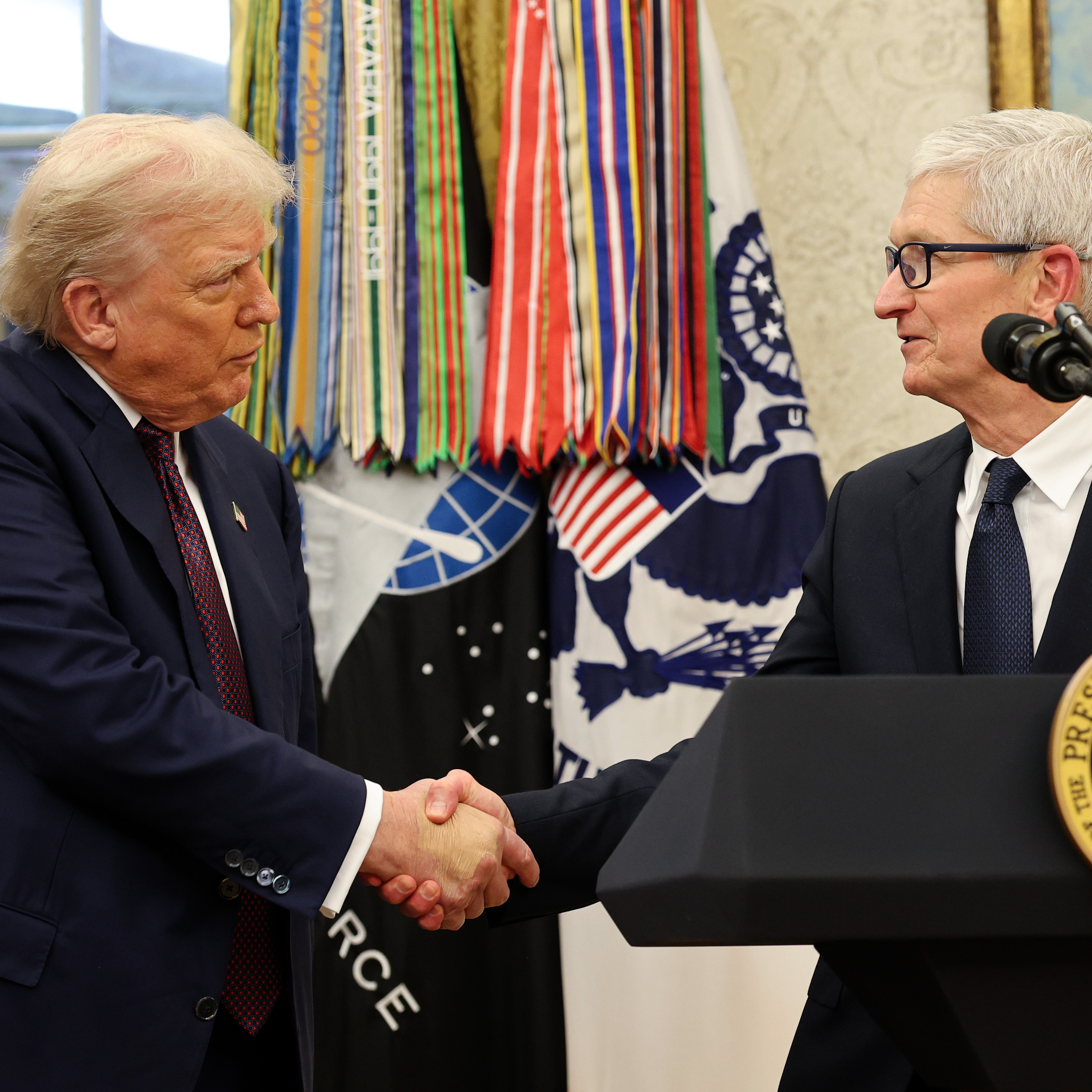
    President Trump has been storming through corporate America — taking a stake in Intel, demanding a cut of Nvidia’s sales, restricting skilled workers, among other big footed policies. Meanwhile, corporate leaders have mostly just … rolled over. Today on the show: As Trump rewrites the rules of doing business, why aren’t business leaders doing more to speak up? Related episodes:  How close is the US to crony capitalism? (https://www.npr.org/2025/10/02/nx-s1-5559759/how-close-is-the-us-to-crony-capitalism)  Davos drama, credit card caps and tariff truths (https://www.npr.org/2026/01/23/nx-s1-5685413/davos-drama-credit-card-caps-and-tariff-truths)  For sponsor-free episodes of The Indicator from Planet Money, subscribe to Planet Money+ via Apple Podcasts or at plus.npr.org (http://plus.npr.org/). Fact-checking by Sierra Juarez (https://www.npr.org/people/1268825622/sierra-juarez). Music by Drop Electric (https://dropelectric.bandcamp.com/). Find us: TikTok (https://www.tiktok.com/@planetmoney), Instagram (https://www.instagram.com/planetmoney/), Facebook (https://www.facebook.com/planetmoney), Newsletter (https://www.npr.org/newsletter/money). To manage podcast ad preferences, review the links below: See pcm.adswizz.com (https://pcm.adswizz.com) for information about our collection and use of personal data for sponsorship and to manage your podcast sponsorship preferences. Learn more about sponsor message choices: podcastchoices.com/adchoices (https://podcastchoices.com/adchoices) NPR Privacy Policy (https://www.npr.org/about-npr/179878450/privacy-policy)

    Donald TrumpJamie DimonJPMorgan Chase
    Can Europe sell America?

    Can Europe sell America?

    Jan 27, 202610 min

    “Sell America.” There’s new talk of how Europe could turn the economic screws (https://www.ft.com/content/beeaf869-ca12-4178-95a1-bfb69ee27ae4) on the U.S. after President Trump’s play for Greenland. Selling U.S. Treasury bonds is one way. Another is a legal tool. It’s been called the EU’s bazooka. On today’s show, taking stock of Europe’s financial arsenal. How could America’s largest foreign lender lighten Americans’ wallets? Planet Money wrote a book and is going on tour, come see us: tickets and tour dates here (https://www.planetmoneybook.com/).  Related episodes:  Davos drama, credit card caps and tariff truths (https://www.npr.org/2026/01/23/nx-s1-5685413/davos-drama-credit-card-caps-and-tariff-truths) Why Trump resurrected the Monroe Doctrine (https://www.npr.org/2026/01/15/nx-s1-5677625/why-trump-resurrected-the-monroe-doctrine) Lunch with the man who coined TACO (https://www.npr.org/2025/07/22/1256040785/trump-taco-wall-street-stock-market-tariffs) For sponsor-free episodes of The Indicator from Planet Money, subscribe to Planet Money+ via Apple Podcasts or at plus.npr.org (http://plus.npr.org/). Fact-checking by Sierra Juarez (https://www.npr.org/people/1268825622/sierra-juarez). Music by Drop Electric (https://dropelectric.bandcamp.com/). Find us: TikTok (https://www.tiktok.com/@planetmoney), Instagram (https://www.instagram.com/planetmoney/), Facebook (https://www.facebook.com/planetmoney), Newsletter (https://www.npr.org/newsletter/money). To manage podcast ad preferences, review the links below: See pcm.adswizz.com (https://pcm.adswizz.com) for information about our collection and use of personal data for sponsorship and to manage your podcast sponsorship preferences. Learn more about sponsor message choices: podcastchoices.com/adchoices (https://podcastchoices.com/adchoices) NPR Privacy Policy (https://www.npr.org/about-npr/179878450/privacy-policy)

    TrumpGreenlandEU Anti-Coercion Mechanism
    How Pakistan is revving up a fight against tax dodgers

    How Pakistan is revving up a fight against tax dodgers

    Jan 26, 20269 min

    Pakistan has had some major economic bumps as of late, including a near default in 2023. At the root: seriously low tax collection. Millions of Pakistan residents opt out of paying income taxes entirely. This is a problem a lot of lower- and middle-income countries face. On today's show, we talk about why there are so many tax dodgers in Pakistan and what the government is trying to do about it.  Related episodes:  Is the US pushing countries towards China? (https://www.npr.org/2025/04/29/1247777247/pakistan-us-china-trade-tariffs-aid) A brief history of income taxes (https://www.npr.org/2019/04/18/714788538/a-brief-history-of-income-taxes)  For sponsor-free episodes of The Indicator from Planet Money, subscribe to Planet Money+ via Apple Podcasts or at plus.npr.org (http://plus.npr.org/). Fact-checking by Sierra Juarez (https://www.npr.org/people/1268825622/sierra-juarez). Music by Drop Electric (https://dropelectric.bandcamp.com/). Find us: TikTok (https://www.tiktok.com/@planetmoney), Instagram (https://www.instagram.com/planetmoney/), Facebook (https://www.facebook.com/planetmoney), Newsletter (https://www.npr.org/newsletter/money).   To manage podcast ad preferences, review the links below: See pcm.adswizz.com (https://pcm.adswizz.com) for information about our collection and use of personal data for sponsorship and to manage your podcast sponsorship preferences. Learn more about sponsor message choices: podcastchoices.com/adchoices (https://podcastchoices.com/adchoices) NPR Privacy Policy (https://www.npr.org/about-npr/179878450/privacy-policy)

    PakistanTax EvasionFederal Board of Revenue
    Davos drama, credit card caps and tariff truths

    Davos drama, credit card caps and tariff truths

    Jan 23, 202610 min

    It’s time for … Indicators of the Week! Our weekly look at some of the most fascinating economic numbers from the news.  On today’s episode: Why does Davos feel interesting this year? What if we did cap credit card interest rates? And we’re paying most of those tariffs, aren’t we?   Also, big news! Planet Money wrote a book and we’re going on tour this spring. Find tickets and info at planetmoneybook.com (http://planetmoneybook.com).  Related episodes:  Trump's backup options for tariffs (https://www.npr.org/2025/11/12/nx-s1-5605545/trumps-backup-options-for-tariffs)  Globalization At Davos: What Happened? (https://www.npr.org/sections/money/2019/01/28/689518374/globalization-at-davos-what-happened)  The carbon coin: A novel idea (https://www.npr.org/2022/11/11/1136169902/the-carbon-coin-a-novel-idea) For sponsor-free episodes of The Indicator from Planet Money, subscribe to Planet Money+ via Apple Podcasts or at plus.npr.org (http://plus.npr.org/). Fact-checking by Sierra Juarez. Music by Drop Electric (https://dropelectric.bandcamp.com/). Find us: TikTok (https://www.tiktok.com/@planetmoney), Instagram (https://www.instagram.com/planetmoney/), Facebook (https://www.facebook.com/planetmoney), Newsletter (https://www.npr.org/newsletter/money).   To manage podcast ad preferences, review the links below: See pcm.adswizz.com (https://pcm.adswizz.com) for information about our collection and use of personal data for sponsorship and to manage your podcast sponsorship preferences. Learn more about sponsor message choices: podcastchoices.com/adchoices (https://podcastchoices.com/adchoices) NPR Privacy Policy (https://www.npr.org/about-npr/179878450/privacy-policy)

    DavosWorld Economic ForumLarry Fink
    How beef climbed to the top of the food pyramid

    How beef climbed to the top of the food pyramid

    Jan 22, 20269 min

    Beef is back on top. Well, at least on top of Health Secretary Robert F. Kennedy Jr.’s new food pyramid, unveiled alongside updated national dietary guidelines. Red meat really never left the great American menu. But how’d it climb all the way up there? On today’s show, America’s storied love affair with beef. And how big business and government have long influenced what winds up on our plates. Related episodes:  Why beef prices are so high (https://www.npr.org/2025/09/15/nx-s1-5539846/why-beef-prices-are-so-high) Who’s buying all the beef? (https://www.npr.org/2025/11/24/nx-s1-5616521/whos-buying-all-the-beef) For sponsor-free episodes of The Indicator from Planet Money, subscribe to Planet Money+ via Apple Podcasts or at plus.npr.org (http://plus.npr.org/). Fact-checking by Sierra Juarez (https://www.npr.org/people/1268825622/sierra-juarez). Music by Drop Electric (https://dropelectric.bandcamp.com/). Find us: TikTok (https://www.tiktok.com/@planetmoney), Instagram (https://www.instagram.com/planetmoney/), Facebook (https://www.facebook.com/planetmoney), Newsletter (https://www.npr.org/newsletter/money). To manage podcast ad preferences, review the links below: See pcm.adswizz.com (https://pcm.adswizz.com) for information about our collection and use of personal data for sponsorship and to manage your podcast sponsorship preferences. Learn more about sponsor message choices: podcastchoices.com/adchoices (https://podcastchoices.com/adchoices) NPR Privacy Policy (https://www.npr.org/about-npr/179878450/privacy-policy)

    Beef ConsumptionFood PyramidRobert F. Kennedy Jr
    Is Greenland really an untapped land of riches?

    Is Greenland really an untapped land of riches?

    Jan 21, 20269 min

    President Donald Trump is dead set on acquiring Greenland, and while national security is the stated reason, the country’s untapped mineral wealth could offer another explanation. Today on the show: is Greenland really an untapped land of riches? We talk to one Australian geologist who discovered the great costs and potential rewards of extracting these minerals himself. Related episodes:  Add to cart: Greenland (https://www.npr.org/2025/01/21/1225890655/add-to-cart-greenland)  Why Trump resurrected the Monroe Doctrine (https://www.npr.org/2026/01/15/nx-s1-5677625/why-trump-resurrected-the-monroe-doctrine) For sponsor-free episodes of The Indicator from Planet Money, subscribe to Planet Money+ via Apple Podcasts or at plus.npr.org (http://plus.npr.org/). Fact-checking by Sierra Juarez (https://www.npr.org/people/1268825622/sierra-juarez) and Julia Ritchey. Music by Drop Electric (https://dropelectric.bandcamp.com/). Find us: TikTok (https://www.tiktok.com/@planetmoney), Instagram (https://www.instagram.com/planetmoney/), Facebook (https://www.facebook.com/planetmoney), Newsletter (https://www.npr.org/newsletter/money).   To manage podcast ad preferences, review the links below: See pcm.adswizz.com (https://pcm.adswizz.com) for information about our collection and use of personal data for sponsorship and to manage your podcast sponsorship preferences. Learn more about sponsor message choices: podcastchoices.com/adchoices (https://podcastchoices.com/adchoices) NPR Privacy Policy (https://www.npr.org/about-npr/179878450/privacy-policy)

    GreenlandDonald TrumpGreg Barnes
    Are U.S. defense contractors lavishing their investors too much?

    Are U.S. defense contractors lavishing their investors too much?

    Jan 20, 20269 min

    In early January, President Donald Trump signed an executive order threatening bans on defense contractors paying dividends or buying their stock back. Today on the show, we learn about the Trump Administration’s frustrations with the weapons supply chain, find out what a defense industry investor makes of the move, and ask whether this reflects the state tightening its grip on the industry that arms the U.S. military. Related episodes:  Are we overpaying for military equipment? (https://www.npr.org/2024/01/29/1197961492/are-we-overpaying-for-military-equipment) Can Just-In-Time handle a new era of war? (https://www.npr.org/2024/01/30/1197961507/can-just-in-time-handle-a-new-era-of-war) How to transform a war economy for peacetime (https://www.npr.org/2024/01/31/1197961524/how-to-transform-a-war-economy-for-peacetime) For sponsor-free episodes of The Indicator from Planet Money, subscribe to Planet Money+ via Apple Podcasts or at plus.npr.org (http://plus.npr.org/). Fact-checking by Sierra Juarez (https://www.npr.org/people/1268825622/sierra-juarez). Music by Drop Electric (https://dropelectric.bandcamp.com/). Find us: TikTok (https://www.tiktok.com/@planetmoney), Instagram (https://www.instagram.com/planetmoney/), Facebook (https://www.facebook.com/planetmoney), Newsletter (https://www.npr.org/newsletter/money).  To manage podcast ad preferences, review the links below: See pcm.adswizz.com (https://pcm.adswizz.com) for information about our collection and use of personal data for sponsorship and to manage your podcast sponsorship preferences. Learn more about sponsor message choices: podcastchoices.com/adchoices (https://podcastchoices.com/adchoices) NPR Privacy Policy (https://www.npr.org/about-npr/179878450/privacy-policy)

    Trump Executive OrderDefense ContractorsRaytheon
    ICE influencers, a world-record trade surplus, and the moon goes nuclear

    ICE influencers, a world-record trade surplus, and the moon goes nuclear

    Jan 16, 20269 min

    Welcome back to Indicators of the Week! Our weekly look at some of the most fascinating economic numbers from the news.  On today’s episode: Influencers for ICE (https://www.washingtonpost.com/technology/2025/12/31/ice-wartime-recruitment-push/), China’s tremendous trade surplus, and America heads back to the moon.  Related episodes:  We resolve to watch these 2026 indicators (https://www.npr.org/2026/01/02/nx-s1-5662709/we-resolve-to-watch-these-2026-indicators) China's trade war perspective (https://www.npr.org/2025/04/22/1246322286/chinas-trade-war-perspective)  Who owns the moon? (https://www.npr.org/2021/08/18/1029084078/who-owns-the-moon) For sponsor-free episodes of The Indicator from Planet Money, subscribe to Planet Money+ via Apple Podcasts or at plus.npr.org (http://plus.npr.org/). Fact-checking by Vito Emanuel. Music by Drop Electric (https://dropelectric.bandcamp.com/). Find us: TikTok (https://www.tiktok.com/@planetmoney), Instagram (https://www.instagram.com/planetmoney/), Facebook (https://www.facebook.com/planetmoney), Newsletter (https://www.npr.org/newsletter/money).   To manage podcast ad preferences, review the links below: See pcm.adswizz.com (https://pcm.adswizz.com) for information about our collection and use of personal data for sponsorship and to manage your podcast sponsorship preferences. Learn more about sponsor message choices: podcastchoices.com/adchoices (https://podcastchoices.com/adchoices) NPR Privacy Policy (https://www.npr.org/about-npr/179878450/privacy-policy)

    ICE RecruitmentSocial Media InfluencersTrump Administration
    Why Trump resurrected the Monroe Doctrine

    Why Trump resurrected the Monroe Doctrine

    Jan 15, 20269 min

    203 years ago, President James Monroe declared the Western Hemisphere off limits to powerful countries in Europe. Fast forward, and President Trump is reviving the Monroe Doctrine to justify intervening in places like Venezuela (https://truthsocial.com/@realDonaldTrump/posts/115879509461234235), and threatening further action in other parts of Latin America and Greenland. On today’s show, how is Trump redefining the Monroe Doctrine and what does it mean for the world? Related episodes: Add to cart: Greenland (https://www.npr.org/2025/01/21/1225890655/add-to-cart-greenland) Is the Panama Canal a rip-off? (https://www.npr.org/2025/03/05/1235939386/us-panama-canal-shipping-fees-) Venezuela didn’t steal U.S. oil. Here’s what happened (https://www.npr.org/2026/01/08/nx-s1-5670419/venezuela-didnt-steal-u-s-oil-heres-what-happened)   Can Europe stand without the U.S. (https://www.npr.org/2025/03/26/1240892104/can-europe-stand-without-the-us)  For sponsor-free episodes of The Indicator from Planet Money, subscribe to Planet Money+ via Apple Podcasts or at plus.npr.org (http://plus.npr.org/). Fact-checking by Vito Emanuel. Music by Drop Electric (https://dropelectric.bandcamp.com/). Find us: TikTok (https://www.tiktok.com/@planetmoney), Instagram (https://www.instagram.com/planetmoney/), Facebook (https://www.facebook.com/planetmoney), Newsletter (https://www.npr.org/newsletter/money).   To manage podcast ad preferences, review the links below: See pcm.adswizz.com (https://pcm.adswizz.com) for information about our collection and use of personal data for sponsorship and to manage your podcast sponsorship preferences. Learn more about sponsor message choices: podcastchoices.com/adchoices (https://podcastchoices.com/adchoices) NPR Privacy Policy (https://www.npr.org/about-npr/179878450/privacy-policy)
    Monroe DoctrineDonroe DoctrineTrump Corollary
    Can a good story change economic reality?

    Can a good story change economic reality?

    Jan 14, 20268 min

    Economic decisions aren’t only driven by hard data. A compelling story can change economic behavior and outcomes. In today’s episode, we explore real-world examples of “narrative economics” like how the Suez Canal ended up getting built. And we ask: why do narratives sometimes matter more than truth or data? Related episodes:  This indicator hasn’t flashed this red since the dot-com bubble (https://www.npr.org/2025/11/06/nx-s1-5600041/this-indicator-hasnt-flashed-this-red-since-the-dot-com-bubble)  Tariffs. Consumer sentiment. Cape Ratio. Pick The Indicator of The Year! (https://www.npr.org/2025/12/19/nx-s1-5648809/tariffs-consumer-sentiment-cape-ratio-pick-the-indicator-of-the-year)  The Beigie Awards: Manufacturing takes center stage (https://www.npr.org/2023/09/19/1197954171/the-indicator-from-planet-money-09-19-2023) For sponsor-free episodes of The Indicator from Planet Money, subscribe to Planet Money+ via Apple Podcasts or at plus.npr.org (http://plus.npr.org/). Fact-checking by Sierra Juarez (https://www.npr.org/people/1268825622/sierra-juarez). Music by Drop Electric (https://dropelectric.bandcamp.com/). Find us: TikTok (https://www.tiktok.com/@planetmoney), Instagram (https://www.instagram.com/planetmoney/), Facebook (https://www.facebook.com/planetmoney), Newsletter (https://www.npr.org/newsletter/money).   To manage podcast ad preferences, review the links below: See pcm.adswizz.com (https://pcm.adswizz.com) for information about our collection and use of personal data for sponsorship and to manage your podcast sponsorship preferences. Learn more about sponsor message choices: podcastchoices.com/adchoices (https://podcastchoices.com/adchoices) NPR Privacy Policy (https://www.npr.org/about-npr/179878450/privacy-policy)

    Narrative EconomicsRobert ShillerDaron Acemoglu
    One Fed battle after another

    One Fed battle after another

    Jan 13, 20269 min

    Over the weekend, Federal Reserve Chair Jerome Powell said the Department of Justice served the Fed with grand jury subpoenas. Powell says it’s all a sham. But the stakes are unprecedented: A potential criminal indictment. Central bank independence. Today on the show, the administration’s case against the Fed. How did we get here? And what comes next? Related episodes:  Lisa Cook and the fight for the Fed (https://www.npr.org/2025/08/29/nx-s1-5522330/lisa-cook-trump-lawsuit-federal-reserve-independence) Trump's unprecedented attack on the Fed (https://www.npr.org/2025/08/26/nx-s1-5518335/trumps-unprecedented-attack-on-the-fed) A primer on the Federal Reserve's independence (https://www.npr.org/2025/04/23/1246593555/federal-reserve-independence) Why Is The Fed So Boring? (https://www.npr.org/2021/06/15/1006953751/why-is-the-fed-so-boring) For sponsor-free episodes of The Indicator from Planet Money, subscribe to Planet Money+ via Apple Podcasts or at plus.npr.org (http://plus.npr.org/). Fact-checking by Sierra Juarez (https://www.npr.org/people/1268825622/sierra-juarez). Music by Drop Electric (https://dropelectric.bandcamp.com/). Find us: TikTok (https://www.tiktok.com/@planetmoney), Instagram (https://www.instagram.com/planetmoney/), Facebook (https://www.facebook.com/planetmoney), Newsletter (https://www.npr.org/newsletter/money). To manage podcast ad preferences, review the links below: See pcm.adswizz.com (https://pcm.adswizz.com) for information about our collection and use of personal data for sponsorship and to manage your podcast sponsorship preferences. Learn more about sponsor message choices: podcastchoices.com/adchoices (https://podcastchoices.com/adchoices) NPR Privacy Policy (https://www.npr.org/about-npr/179878450/privacy-policy)

    Jerome PowellFederal ReserveTrump Administration
    How far can philanthropy go to fill government gaps?

    How far can philanthropy go to fill government gaps?

    Jan 12, 20268 min

    While Americans are known for their generosity, the U.S. government, increasingly, is not. The Trump administration’s cuts to SNAP benefits among other aid programs have forced states, foundations and donors to fill the gaps. But can they? On today’s show, the limits of philanthropic efforts to supplant federal aid.  Related episodes:  Why tech bros are trying to give away all their money (kind of) (https://www.npr.org/2023/03/24/1165958666/why-tech-bros-are-trying-to-give-away-all-their-money-kind-of)  For sponsor-free episodes of The Indicator from Planet Money, subscribe to Planet Money+ via Apple Podcasts or at plus.npr.org (http://plus.npr.org/). Fact-checking by Sierra Juarez (https://www.npr.org/people/1268825622/sierra-juarez). Music by Drop Electric (https://dropelectric.bandcamp.com/). Find us: TikTok (https://www.tiktok.com/@planetmoney), Instagram (https://www.instagram.com/planetmoney/), Facebook (https://www.facebook.com/planetmoney), Newsletter (https://www.npr.org/newsletter/money).   To manage podcast ad preferences, review the links below: See pcm.adswizz.com (https://pcm.adswizz.com) for information about our collection and use of personal data for sponsorship and to manage your podcast sponsorship preferences. Learn more about sponsor message choices: podcastchoices.com/adchoices (https://podcastchoices.com/adchoices) NPR Privacy Policy (https://www.npr.org/about-npr/179878450/privacy-policy)

    PhilanthropySNAP benefitsTrump administration
    How AI is shrinking the job market for teens

    How AI is shrinking the job market for teens

    Jan 9, 20269 min

    Karissa Tang is a 17-year-old in California who got curious about the impact of AI on typical teen jobs like cashiers and fast food counter workers. She embarked on an ambitious economic research project and shares her findings with us. Related episodes:  How much is AI actually affecting the workforce? (https://www.npr.org/2025/09/04/nx-s1-5527315/how-much-is-ai-actually-affecting-the-workforce) AI creates, transforms and destroys... jobs (https://www.npr.org/2023/12/08/1197958787/ai-jobs-friday) When does youth employment become child labor? (https://www.npr.org/2024/03/20/1197963204/youth-employment-child-labor-workforce) For sponsor-free episodes of The Indicator from Planet Money, subscribe to Planet Money+ via Apple Podcasts or at plus.npr.org (http://plus.npr.org/). Fact-checking by Sierra Juarez (https://www.npr.org/people/1268825622/sierra-juarez). Music by Drop Electric (https://dropelectric.bandcamp.com/). Find us: TikTok (https://www.tiktok.com/@planetmoney), Instagram (https://www.instagram.com/planetmoney/), Facebook (https://www.facebook.com/planetmoney), Newsletter (https://www.npr.org/newsletter/money). To manage podcast ad preferences, review the links below: See pcm.adswizz.com (https://pcm.adswizz.com) for information about our collection and use of personal data for sponsorship and to manage your podcast sponsorship preferences. Learn more about sponsor message choices: podcastchoices.com/adchoices (https://podcastchoices.com/adchoices) NPR Privacy Policy (https://www.npr.org/about-npr/179878450/privacy-policy)

    Karissa TangAI job displacementTeen employment
    Venezuela didn't steal U.S. oil. Here's what happened

    Venezuela didn't steal U.S. oil. Here's what happened

    Jan 8, 20269 min

    President Trump claims Venezuela stole American oil. Is that true? We trace Venezuela's oil industry from its 1920s birth through nationalization and then collapse. Today on the show, how did the Venezuelan oil industry get to a point where it’s barely pulling from its reserves? And will anything change now?  Related episodes:  Venezuela’s economic descent (Update) (https://www.npr.org/2026/01/03/nx-s1-5665743/venezuelas-economic-descent-updated)  Venezuela’s recent economic history (Update) (https://www.npr.org/2026/01/04/nx-s1-5666322/venezuela-hyperinflation-maduro-gonzalez)  Why oil in Guyana could be a curse (https://www.npr.org/2024/01/10/1197960933/why-oil-in-guyana-could-be-a-curse)  For sponsor-free episodes of The Indicator from Planet Money, subscribe to Planet Money+ via Apple Podcasts or at plus.npr.org (http://plus.npr.org/). Fact-checking by Julia Ritchey. Music by Drop Electric (https://dropelectric.bandcamp.com/). Find us: TikTok (https://www.tiktok.com/@planetmoney), Instagram (https://www.instagram.com/planetmoney/), Facebook (https://www.facebook.com/planetmoney), Newsletter (https://www.npr.org/newsletter/money).   To manage podcast ad preferences, review the links below: See pcm.adswizz.com (https://pcm.adswizz.com) for information about our collection and use of personal data for sponsorship and to manage your podcast sponsorship preferences. Learn more about sponsor message choices: podcastchoices.com/adchoices (https://podcastchoices.com/adchoices) NPR Privacy Policy (https://www.npr.org/about-npr/179878450/privacy-policy)

    VenezuelaOil IndustryHugo Chávez
    PreviousPage 2 of 15Next