The Indicator from Planet Money
ExplorePodcast overview and latest content
EpisodesBrowse the full episode archive
TopicsDiscover episodes by category
PostsBrowse published articles & write-ups

Podcast

  • Explore
  • Episodes
  • Topics
  • Posts

Recent Episodes

  • Want a 2.5% mortgage? Buy it.
  • The anxiety rattling China’s youth
  • Why Paramount went looney tunes for Warner Bros.
  • Should the families of organ donors be compensated?
  • ICE is bad for business, heat is bad for coffee, and sci-fi is bad for markets

Links

  • Apple Podcasts
  • Overcast

About

The Indicator from Planet Money

The Indicator from Planet Money

A bite-sized show about big ideas. From the people who make Planet Money, The Indicator helps you make sense of what's happening in today's economy. It's a quick hit of insight into money, work, and business. Monday through Friday, in 10 minutes or less.

Powered byPodRewind

    All Episodes

    300 episodes

    Want a 2.5% mortgage? Buy it.

    Want a 2.5% mortgage? Buy it.

    Mar 5, 20269 min

    Remember those juicy mortgage rates from back in 2021? You don’t actually need a time machine to get one today. You just need to find someone willing to sell their house AND their mortgage to you. Called ‘assumable mortgages,’ they take a long time to get,, and you’ll probably need a fat wad of cash. On today’s show, how to buy your way into a cheap mortgage rate. Related episodes:  How mortgage rates get made (https://www.npr.org/2022/03/16/1087086300/how-mortgage-rates-get-made) How mortgage interest rates work (and why they're currently out of whack) (https://www.npr.org/2024/08/28/1197972299/mortgage-interest-rates-treasury-bond) For sponsor-free episodes of The Indicator from Planet Money, subscribe to Planet Money+ via Apple Podcasts or at plus.npr.org (http://plus.npr.org/). Fact-checking by Tyler Jones. Music by Drop Electric (https://dropelectric.bandcamp.com/). Find us: TikTok (https://www.tiktok.com/@planetmoney), Instagram (https://www.instagram.com/planetmoney/), Facebook (https://www.facebook.com/planetmoney), Newsletter (https://www.npr.org/newsletter/money). To manage podcast ad preferences, review the links below: See pcm.adswizz.com (https://pcm.adswizz.com) for information about our collection and use of personal data for sponsorship and to manage your podcast sponsorship preferences. Learn more about sponsor message choices: podcastchoices.com/adchoices (https://podcastchoices.com/adchoices) NPR Privacy Policy (https://www.npr.org/about-npr/179878450/privacy-policy)

    Assumable MortgagesLow Mortgage RatesVA Loans
    The anxiety rattling China’s youth

    The anxiety rattling China’s youth

    Mar 4, 20269 min

    China will soon unveil its economic blueprint for the next five years, including a target for economic growth. This comes as consumption is down, wages aren’t rising, and property prices continue to drop. So what’s the plan? Today, we hear from NPR’s China correspondent Jennifer Pak about the challenges facing China’s economic policymakers.FYI, we are going on a book tour! Planet Money’s first ever book comes out in April. We’ll be celebrating in about a dozen cities. There’s a limited edition tote bag included with your ticket, while supplies last. Details, dates and how to get your ticket at planetmoneybook.com (http://planetmoneybook.com).Related episodes:  What might save China’s economy (https://www.npr.org/2025/03/18/1239156785/what-might-save-chinas-economy) China’s luxury liquor indicator (https://www.npr.org/2024/07/15/1197967654/china-economy-baijiu-kissinger)For sponsor-free episodes of The Indicator from Planet Money, subscribe to Planet Money+ via Apple Podcasts or at plus.npr.org (http://plus.npr.org/). Fact-checking by Sierra Juarez (https://www.npr.org/people/1268825622/sierra-juarez). Music by Drop Electric (https://dropelectric.bandcamp.com/). Find us: TikTok (https://www.tiktok.com/@planetmoney), Instagram (https://www.instagram.com/planetmoney/), Facebook (https://www.facebook.com/planetmoney), Newsletter (https://www.npr.org/newsletter/money).   To manage podcast ad preferences, review the links below: See pcm.adswizz.com (https://pcm.adswizz.com) for information about our collection and use of personal data for sponsorship and to manage your podcast sponsorship preferences. Learn more about sponsor message choices: podcastchoices.com/adchoices (https://podcastchoices.com/adchoices) NPR Privacy Policy (https://www.npr.org/about-npr/179878450/privacy-policy)

    China EconomyNational People's CongressGDP Target
    Why Paramount went looney tunes for Warner Bros.

    Why Paramount went looney tunes for Warner Bros.

    Mar 3, 20269 min

    Paramount Skydance is making a $110 billion play for Warner Bros. Discovery, and with it intellectual property like Harry Potter, Batman, and subsidiaries HBO and CNN. On today’s show, who is the man behind the deal? Does he really want to make movies? Will any regulators try to stop it? FYI, we are going on a book tour! Planet Money’s first ever book comes out in April. We’ll be celebrating in about a dozen cities. There’s a limited edition tote bag included with your ticket, while supplies last. Details, dates and how to get your ticket at planetmoneybook.com (http://planetmoneybook.com).Related:  The Warner Bros. curse (newsletter) (https://www.npr.org/sections/planet-money/2025/12/16/g-s1-102314/the-warner-bros-curse)  Coyote vs. Warner Bros. (https://www.npr.org/2023/12/19/1197959098/coyote-vs-acme-warner-bros-discovery-will-forte-john-cena-amazon-paramount) For sponsor-free episodes of The Indicator from Planet Money, subscribe to Planet Money+ via Apple Podcasts or at plus.npr.org (http://plus.npr.org/). Fact-checking by Sierra Juarez (https://www.npr.org/people/1268825622/sierra-juarez). Music by Drop Electric (https://dropelectric.bandcamp.com/). Find us: TikTok (https://www.tiktok.com/@planetmoney), Instagram (https://www.instagram.com/planetmoney/), Facebook (https://www.facebook.com/planetmoney), Newsletter (https://www.npr.org/newsletter/money).   To manage podcast ad preferences, review the links below: See pcm.adswizz.com (https://pcm.adswizz.com) for information about our collection and use of personal data for sponsorship and to manage your podcast sponsorship preferences. Learn more about sponsor message choices: podcastchoices.com/adchoices (https://podcastchoices.com/adchoices) NPR Privacy Policy (https://www.npr.org/about-npr/179878450/privacy-policy)

    Paramount SkydanceWarner Bros. DiscoveryDavid Ellison
    Should the families of organ donors be compensated?

    Should the families of organ donors be compensated?

    Mar 2, 20269 min

    Two economists get into the business—and stakes—of organ donation, and they argue why the government should financially compensate their families.FYI, we are going on a book tour! Planet Money’s first ever book comes out in April. We’ll be celebrating in about a dozen cities. There’s a limited edition tote bag included with your ticket, while supplies last. Details, dates and how to get your ticket at planetmoneybook.com (http://planetmoneybook.com).Related episodes:  Too many subscriptions, not enough organs (https://www.npr.org/2023/03/24/1165947234/too-many-subscriptions-not-enough-organs)  Your Organs, Please (https://www.npr.org/sections/money/2015/10/28/452655987/episode-518-your-organs-please) For sponsor-free episodes of The Indicator from Planet Money, subscribe to Planet Money+ via Apple Podcasts or at plus.npr.org (http://plus.npr.org/). Fact-checking by Sierra Juarez (https://www.npr.org/people/1268825622/sierra-juarez). Music by Drop Electric (https://dropelectric.bandcamp.com/). Find us: TikTok (https://www.tiktok.com/@planetmoney), Instagram (https://www.instagram.com/planetmoney/), Facebook (https://www.facebook.com/planetmoney), Newsletter (https://www.npr.org/newsletter/money).   To manage podcast ad preferences, review the links below: See pcm.adswizz.com (https://pcm.adswizz.com) for information about our collection and use of personal data for sponsorship and to manage your podcast sponsorship preferences. Learn more about sponsor message choices: podcastchoices.com/adchoices (https://podcastchoices.com/adchoices) NPR Privacy Policy (https://www.npr.org/about-npr/179878450/privacy-policy)

    Organ DonationKurt SweatAlex Chan
    ICE is bad for business, heat is bad for coffee, and sci-fi is bad for markets

    ICE is bad for business, heat is bad for coffee, and sci-fi is bad for markets

    Feb 27, 20269 min

    It’s … Indicators of the Week (now on YouTube!), our weekly look at some of the most fascinating economic numbers from the news.  On today’s episode: How Minnesota workers were affected by Operation Metro Surge, why coffee’s getting more expensive, and what happens when a sci-fi AI scenario meets the stock market (https://www.citriniresearch.com/p/2028gic).  Related episodes: How ICE crackdowns are affecting the workforce (https://www.npr.org/2025/07/03/1255164459/ice-crackdown-jobs-friday-report) Why this rural town wants an ICE facility (https://www.npr.org/2026/02/19/nx-s1-5718368/why-this-rural-town-wants-an-ice-facility)  For sponsor-free episodes of The Indicator from Planet Money, subscribe to Planet Money+ via Apple Podcasts or at plus.npr.org (http://plus.npr.org/). Fact-checking by Julia Ritchey and Vito Emanuel. Music by Drop Electric (https://dropelectric.bandcamp.com/). Find us: TikTok (https://www.tiktok.com/@planetmoney), Instagram (https://www.instagram.com/planetmoney/), Facebook (https://www.facebook.com/planetmoney), Newsletter (https://www.npr.org/newsletter/money).   To manage podcast ad preferences, review the links below: See pcm.adswizz.com (https://pcm.adswizz.com) for information about our collection and use of personal data for sponsorship and to manage your podcast sponsorship preferences. Learn more about sponsor message choices: podcastchoices.com/adchoices (https://podcastchoices.com/adchoices) NPR Privacy Policy (https://www.npr.org/about-npr/179878450/privacy-policy)

    Operation Metro SurgeMinneapolis-St. PaulICE Crackdown
    How your favorite fish sticks might be funding Russia's war

    How your favorite fish sticks might be funding Russia's war

    Feb 26, 20269 min

    Russia exports billions of dollars worth of fish a year across the world. But after the invasion of Ukraine, the U.S. banned imports of Russian fish. It turns out those bans are only so effective. Today on the show, how Russia has dodged import bans to keep selling billions of dollars worth of seafood every year, and how the U.S. has struggled to stop it.  FYI, we are going on a book tour! Planet Money’s first ever book comes out in April. We’ll be celebrating in about a dozen cities. There’s a limited edition tote bag included with your ticket, while supplies last. Details, dates and how to get your ticket at planetmoneybook.com (http://planetmoneybook.com).Related episodes:  What’s propping up Russian oil? (https://www.npr.org/2025/11/05/nx-s1-5596398/whos-propping-up-russian-oil) How Russia’s shadow fleet is sailing around oil sanctions (https://www.npr.org/2025/10/17/nx-s1-5577076/shadow-fleet-russian-oil-tanker-sanctions-boracay)For sponsor-free episodes of The Indicator from Planet Money, subscribe to Planet Money+ via Apple Podcasts or at plus.npr.org (http://plus.npr.org/). Fact-checking by Vito Emanuel. Music by Drop Electric (https://dropelectric.bandcamp.com/). Find us: TikTok (https://www.tiktok.com/@planetmoney), Instagram (https://www.instagram.com/planetmoney/), Facebook (https://www.facebook.com/planetmoney), Newsletter (https://www.npr.org/newsletter/money).   To manage podcast ad preferences, review the links below: See pcm.adswizz.com (https://pcm.adswizz.com) for information about our collection and use of personal data for sponsorship and to manage your podcast sponsorship preferences. Learn more about sponsor message choices: podcastchoices.com/adchoices (https://podcastchoices.com/adchoices) NPR Privacy Policy (https://www.npr.org/about-npr/179878450/privacy-policy)

    RussiaUkraine WarRussian Seafood
    What an Epstein recording reveals about how elites get jobs

    What an Epstein recording reveals about how elites get jobs

    Feb 25, 20269 min

    What do the latest batch of documents tell us about convicted sex offender Jeffrey Epstein and elite networking? Quite a bit. Today on the show, we analyze one exchange between Epstein and a former world leader to find out how the revolving door works for the rich and powerful. FYI, we are going on a book tour! Planet Money’s first ever book comes out in April. We’ll be celebrating in about a dozen cities. There’s a limited-edition tote bag included with your ticket, while supplies last. Details, dates and how to get your ticket at planetmoneybook.com (http://planetmoneybook.com). Related episodes:  Gilded Age 2.0? (https://www.npr.org/2025/06/05/1253689629/trump-second-term-echoes-gilded-age)   How close is the US to crony capitalism? (https://www.npr.org/2025/10/02/nx-s1-5559759/how-close-is-the-us-to-crony-capitalism)  For sponsor-free episodes of The Indicator from Planet Money, subscribe to Planet Money+ via Apple Podcasts or at plus.npr.org (http://plus.npr.org/). Fact-checking by Vito Emanuel. Music by Drop Electric (https://dropelectric.bandcamp.com/). Find us: TikTok (https://www.tiktok.com/@planetmoney), Instagram (https://www.instagram.com/planetmoney/), Facebook (https://www.facebook.com/planetmoney), Newsletter (https://www.npr.org/newsletter/money).   To manage podcast ad preferences, review the links below: See pcm.adswizz.com (https://pcm.adswizz.com) for information about our collection and use of personal data for sponsorship and to manage your podcast sponsorship preferences. Learn more about sponsor message choices: podcastchoices.com/adchoices (https://podcastchoices.com/adchoices) NPR Privacy Policy (https://www.npr.org/about-npr/179878450/privacy-policy)

    Jeffrey EpsteinEhud BarakRevolving Door
    Do traders who place big bets make big money?

    Do traders who place big bets make big money?

    Feb 24, 202610 min

    We’re going whale watching today. No, not orcas or great blues, but financial traders that place big bets on something called options. On today’s show, who are these option whales and do their bets always pay off?  FYI, we are going on a book tour! Planet Money’s first ever book comes out in April. We’ll be celebrating in about a dozen cities. There’s a limited edition tote bag included with your ticket, while supplies last. Details, dates and how to get your ticket at planetmoneybook.com (http://planetmoneybook.com).  Related episodes: Invest like a Congress member (https://www.npr.org/2024/06/18/1197965254/stock-trading-congress-etfs-unusual-whales)  For sponsor-free episodes of The Indicator from Planet Money, subscribe to Planet Money+ via Apple Podcasts or at plus.npr.org (http://plus.npr.org/). Fact-checking by Sierra Juarez (https://www.npr.org/people/1268825622/sierra-juarez). Music by Drop Electric (https://dropelectric.bandcamp.com/). Find us: TikTok (https://www.tiktok.com/@planetmoney), Instagram (https://www.instagram.com/planetmoney/), Facebook (https://www.facebook.com/planetmoney), Newsletter (https://www.npr.org/newsletter/money). To manage podcast ad preferences, review the links below: See pcm.adswizz.com (https://pcm.adswizz.com) for information about our collection and use of personal data for sponsorship and to manage your podcast sponsorship preferences. Learn more about sponsor message choices: podcastchoices.com/adchoices (https://podcastchoices.com/adchoices) NPR Privacy Policy (https://www.npr.org/about-npr/179878450/privacy-policy)

    Options TradingOption WhalesTaiwan Semiconductor
    Why there are roving rotisserie chicken mobs

    Why there are roving rotisserie chicken mobs

    Feb 23, 20269 min

    You asked, we answered.  On today’s show, we tackle questions from our dear listeners on whether AI interviewers are biased, what the heck M2 money supply is, and what’s up with the frenzied mobs fighting for rotisserie chickens at the grocery store.  Related episodes: When AI is your job interviewer (https://www.npr.org/2025/11/03/nx-s1-5593168/when-ai-is-your-job-interviewer) How beef climbed to the top of the food pyramid (https://www.npr.org/2026/01/22/nx-s1-5684348/how-beef-climbed-to-the-top-of-the-food-pyramid) Retirement luck, Hassett hassles the Fed, and boneless chicken in ... court? (https://www.npr.org/2026/02/20/nx-s1-5720184/retirement-luck-hassett-hassles-the-fed-and-boneless-chicken-in-court)  Behind the Tiny Desk and other listener questions (https://www.npr.org/2024/09/17/1200034664/behind-the-tiny-desk-and-other-listener-questions)  For sponsor-free episodes of The Indicator from Planet Money, subscribe to Planet Money+ via Apple Podcasts or at plus.npr.org (http://plus.npr.org/). Fact-checking by Sierra Juarez (https://www.npr.org/people/1268825622/sierra-juarez). Music by Drop Electric (https://dropelectric.bandcamp.com/). Find us: TikTok (https://www.tiktok.com/@planetmoney), Instagram (https://www.instagram.com/planetmoney/), Facebook (https://www.facebook.com/planetmoney), Newsletter (https://www.npr.org/newsletter/money).   To manage podcast ad preferences, review the links below: See pcm.adswizz.com (https://pcm.adswizz.com) for information about our collection and use of personal data for sponsorship and to manage your podcast sponsorship preferences. Learn more about sponsor message choices: podcastchoices.com/adchoices (https://podcastchoices.com/adchoices) NPR Privacy Policy (https://www.npr.org/about-npr/179878450/privacy-policy)

    AI Job InterviewsBlind DiscriminationM2 Money Supply
    Can I get my tariff money back now?

    Can I get my tariff money back now?

    Feb 21, 20269 min

    The Supreme Court struck down a bunch of President Trump’s tariffs yesterday. The Trump administration originally used an emergency economic powers law to justify the tariffs. And the court said: No! You can’t do that! Bad Trump, bad! This is despite the U.S. having raked in over a hundred billion dollars in import taxes already. On today’s show, unpacking the Supreme Court’s blockbuster tariffs decision. What’s next for tariffs? And … are we getting tariff refunds? Asking for a friend. Related episodes:  Trump's backup options for tariffs (https://www.npr.org/2025/11/12/nx-s1-5605545/trumps-backup-options-for-tariffs) Tariffied! We check in on businesses (https://www.npr.org/2025/04/07/1243303429/tariffied-we-check-in-on-businesses) Are Trump's tariffs legal? (https://www.npr.org/2025/06/11/1253992700/tariffs-ieepa-trump-legal-emergencies-law) Worst. Tariffs. Ever. (https://www.npr.org/2024/12/11/1218506684/worst-tariffs-ever-update) For sponsor-free episodes of The Indicator from Planet Money, subscribe to Planet Money+ via Apple Podcasts or at plus.npr.org (http://plus.npr.org/). Fact-checking by Sierra Juarez (https://www.npr.org/people/1268825622/sierra-juarez) and Vito Emanuel (https://www.npr.org/people/nx-s1-63544/vito-emanuel). Music by Drop Electric (https://dropelectric.bandcamp.com/). Find us: TikTok (https://www.tiktok.com/@planetmoney), Instagram (https://www.instagram.com/planetmoney/), Facebook (https://www.facebook.com/planetmoney), Newsletter (https://www.npr.org/newsletter/money). To manage podcast ad preferences, review the links below: See pcm.adswizz.com (https://pcm.adswizz.com) for information about our collection and use of personal data for sponsorship and to manage your podcast sponsorship preferences. Learn more about sponsor message choices: podcastchoices.com/adchoices (https://podcastchoices.com/adchoices) NPR Privacy Policy (https://www.npr.org/about-npr/179878450/privacy-policy)

    Supreme CourtTrump TariffsIEEPA
    Retirement luck, Hassett hassles the Fed, and boneless chicken in ... court?

    Retirement luck, Hassett hassles the Fed, and boneless chicken in ... court?

    Feb 20, 20269 min

    It’s … Indicators of the Week! Our weekly look at some of the most fascinating economic numbers from the news.  On today’s episode: Why you better hope you retire at juuuust the right time (https://x.com/JesusFerna7026/status/2023742455204520249?s=20), why the researchers at the Federal Reserve (https://libertystreeteconomics.newyorkfed.org/2025/06/are-businesses-absorbing-the-tariffs-or-passing-them-on-to-their-customers/)are being scolded by a White House economic advisor, and taking boneless chicken to court.  Related episodes:  Chicken meat, Gulf of Mexico lawsuit and Social Security beyond the grave (https://www.npr.org/2025/02/21/1232862545/chicken-meat-mexico-gulf-of-america-lawsuit-social-security)  Davos drama, credit card caps and tariff truths (https://www.npr.org/2026/01/23/nx-s1-5685413/davos-drama-credit-card-caps-and-tariff-truths)  What would it take to fix retirement? (https://www.npr.org/2024/03/06/1197962836/the-indicator-from-planet-money-retirement-social-security-pension-03-06-2024)  For sponsor-free episodes of The Indicator from Planet Money, subscribe to Planet Money+ via Apple Podcasts or at plus.npr.org (http://plus.npr.org/). Fact-checking by Sierra Juarez (https://www.npr.org/people/1268825622/sierra-juarez) and Corey Bridges. Music by Drop Electric (https://dropelectric.bandcamp.com/). Find us: TikTok (https://www.tiktok.com/@planetmoney), Instagram (https://www.instagram.com/planetmoney/), Facebook (https://www.facebook.com/planetmoney), Newsletter (https://www.npr.org/newsletter/money).   To manage podcast ad preferences, review the links below: See pcm.adswizz.com (https://pcm.adswizz.com) for information about our collection and use of personal data for sponsorship and to manage your podcast sponsorship preferences. Learn more about sponsor message choices: podcastchoices.com/adchoices (https://podcastchoices.com/adchoices) NPR Privacy Policy (https://www.npr.org/about-npr/179878450/privacy-policy)

    Retirement LuckStock Market ReturnsS&P 500
    Why this rural town wants an ICE facility

    Why this rural town wants an ICE facility

    Feb 19, 20269 min

    The Trump administration is planning to pour more than $38 billion into warehouses for mass immigrant detention. While some communities are starting to push back, one rural town has agreed to expand its detention facility. On today’s show, we visit a small town in Georgia to learn about the trade-offs of becoming a detention town.  Related episodes:  How well are ICE’s 12,000 new officers being trained? (https://www.npr.org/2026/02/18/nx-s1-5717052/how-well-are-ices-12-000-new-officers-being-trained) How ICE crackdowns are affecting the workforce (https://www.npr.org/2025/07/03/1255164459/ice-crackdown-jobs-friday-report)  For sponsor-free episodes of The Indicator from Planet Money, subscribe to Planet Money+ via Apple Podcasts or at plus.npr.org (http://plus.npr.org/). Fact-checking by Sierra Juarez (https://www.npr.org/people/1268825622/sierra-juarez). Music by Drop Electric (https://dropelectric.bandcamp.com/). Find us: TikTok (https://www.tiktok.com/@planetmoney), Instagram (https://www.instagram.com/planetmoney/), Facebook (https://www.facebook.com/planetmoney), Newsletter (https://www.npr.org/newsletter/money).   To manage podcast ad preferences, review the links below: See pcm.adswizz.com (https://pcm.adswizz.com) for information about our collection and use of personal data for sponsorship and to manage your podcast sponsorship preferences. Learn more about sponsor message choices: podcastchoices.com/adchoices (https://podcastchoices.com/adchoices) NPR Privacy Policy (https://www.npr.org/about-npr/179878450/privacy-policy)

    ICE detentionFolkston GeorgiaTrump administration
    How well are ICE's 12,000 new officers being trained?

    How well are ICE's 12,000 new officers being trained?

    Feb 18, 20268 min

    The Department of Homeland Security says it has more than doubled the workforce of Immigration and Customs Enforcement under President Trump. Yet videos of immigration officers killing two U.S. citizens and using aggressive arrest tactics have left some politicians and community leaders rethinking the agency’s approach. On today’s show, law enforcement experts assess the training and culture at DHS.   Related episodes: How ICE crackdowns are affecting the workforce (https://www.npr.org/2025/07/03/1255164459/ice-crackdown-jobs-friday-report)   For sponsor-free episodes of The Indicator from Planet Money, subscribe to Planet Money+ via Apple Podcasts or at plus.npr.org (http://plus.npr.org/). Fact-checking by Sierra Juarez (https://www.npr.org/people/1268825622/sierra-juarez). Music by Drop Electric (https://dropelectric.bandcamp.com/). Find us: TikTok (https://www.tiktok.com/@planetmoney), Instagram (https://www.instagram.com/planetmoney/), Facebook (https://www.facebook.com/planetmoney), Newsletter (https://www.npr.org/newsletter/money).   To manage podcast ad preferences, review the links below: See pcm.adswizz.com (https://pcm.adswizz.com) for information about our collection and use of personal data for sponsorship and to manage your podcast sponsorship preferences. Learn more about sponsor message choices: podcastchoices.com/adchoices (https://podcastchoices.com/adchoices) NPR Privacy Policy (https://www.npr.org/about-npr/179878450/privacy-policy)

    ICEDHSTrump Administration
    How Iran's flagging economy inflamed its protests

    How Iran's flagging economy inflamed its protests

    Feb 17, 20269 min

    Editor's note: The United States and Israel launched attacks on Iran early Saturday, Feb. 28. For current coverage click here (https://www.npr.org/2026/02/28/nx-s1-5730158/israel-iran-strikes-trump-us). For background context, the story below was published on Feb. 17, 2026. According to activists, Iran has killed over 7,000 people as part of a crackdown on protesters. Why did protests engulf Iran in the first place? A big contributor: Its flagging economy, which has been in a tailspin for years. It’s a tinderbox. Related episodes:  Iran, protests, and sanctions (https://www.npr.org/2026/02/06/nx-s1-5704815/iran-protests-us-sanctions) The Lost Plane (https://www.npr.org/sections/money/2019/02/06/692155923/episode-892-the-lost-plane) For sponsor-free episodes of The Indicator from Planet Money, subscribe to Planet Money+ via Apple Podcasts or at plus.npr.org (http://plus.npr.org/). Fact-checking by Sierra Juarez (https://www.npr.org/people/1268825622/sierra-juarez). Music by Drop Electric (https://dropelectric.bandcamp.com/). Find us: TikTok (https://www.tiktok.com/@planetmoney), Instagram (https://www.instagram.com/planetmoney/), Facebook (https://www.facebook.com/planetmoney), Newsletter (https://www.npr.org/newsletter/money). To manage podcast ad preferences, review the links below: See pcm.adswizz.com (https://pcm.adswizz.com) for information about our collection and use of personal data for sponsorship and to manage your podcast sponsorship preferences. Learn more about sponsor message choices: podcastchoices.com/adchoices (https://podcastchoices.com/adchoices) NPR Privacy Policy (https://www.npr.org/about-npr/179878450/privacy-policy)

    Iran ProtestsGrand BazaarIranian Rial
    Jobs numbers, immigrants in healthcare, and ... Jesus Christ?

    Jobs numbers, immigrants in healthcare, and ... Jesus Christ?

    Feb 13, 202610 min

    It’s time for … Indicators of the Week! Our weekly look at some of the most fascinating economic numbers from the news.  On today’s episode: Analyzing the new jobs numbers, how letting in more immigrants could reduce elder mortality (https://www.nber.org/papers/w34791), and betting (https://www.nber.org/papers/w34702) on the return of … Jesus Christ.  Related episodes:  Just how bad are these job numbers? (https://www.npr.org/2026/02/06/nx-s1-5702772/just-how-bad-are-these-job-numbers)  A market to bet on the future (https://www.npr.org/2022/08/16/1117780172/a-market-to-bet-on-the-future)  Who's gonna take care of grandma? (https://www.npr.org/2022/02/28/1083589726/whos-going-to-take-care-of-grandma) For sponsor-free episodes of The Indicator from Planet Money, subscribe to Planet Money+ via Apple Podcasts or at plus.npr.org (http://plus.npr.org/). Fact-checking by Sierra Juarez (https://www.npr.org/people/1268825622/sierra-juarez), Cooper Katz McKim and Vito Emanuel. Music by Drop Electric (https://dropelectric.bandcamp.com/). Find us: TikTok (https://www.tiktok.com/@planetmoney), Instagram (https://www.instagram.com/planetmoney/), Facebook (https://www.facebook.com/planetmoney), Newsletter (https://www.npr.org/newsletter/money).   To manage podcast ad preferences, review the links below: See pcm.adswizz.com (https://pcm.adswizz.com) for information about our collection and use of personal data for sponsorship and to manage your podcast sponsorship preferences. Learn more about sponsor message choices: podcastchoices.com/adchoices (https://podcastchoices.com/adchoices) NPR Privacy Policy (https://www.npr.org/about-npr/179878450/privacy-policy)
    Jobs ReportBureau of Labor StatisticsHealthcare Jobs
    What it costs to be an elite figure skater like the 'Quad God'

    What it costs to be an elite figure skater like the 'Quad God'

    Feb 12, 202610 min

    Behind every Ilia Malinin or Alysa Liu, there is an army of elite figure skating coaches and choreographers who have been with them from the beginning. On today’s show, how much does it cost to achieve Olympic glory and why is it so expensive? Related episodes:  How college sports juiced Olympic development (https://www.npr.org/2026/02/05/nx-s1-5701399/how-college-sports-juiced-olympic-development)  Why the Olympics cost so much (https://www.npr.org/2024/08/01/1197967951/paris-2024-olympics-hosting-costs) For sponsor-free episodes of The Indicator from Planet Money, subscribe to Planet Money+ via Apple Podcasts or at plus.npr.org (http://plus.npr.org/). Fact-checking by Sierra Juarez (https://www.npr.org/people/1268825622/sierra-juarez). Music by Drop Electric (https://dropelectric.bandcamp.com/). Find us: TikTok (https://www.tiktok.com/@planetmoney), Instagram (https://www.instagram.com/planetmoney/), Facebook (https://www.facebook.com/planetmoney), Newsletter (https://www.npr.org/newsletter/money).   To manage podcast ad preferences, review the links below: See pcm.adswizz.com (https://pcm.adswizz.com) for information about our collection and use of personal data for sponsorship and to manage your podcast sponsorship preferences. Learn more about sponsor message choices: podcastchoices.com/adchoices (https://podcastchoices.com/adchoices) NPR Privacy Policy (https://www.npr.org/about-npr/179878450/privacy-policy)

    Figure SkatingIlia MalininAlysa Liu
    What is going on with gold and silver?

    What is going on with gold and silver?

    Feb 11, 20269 min

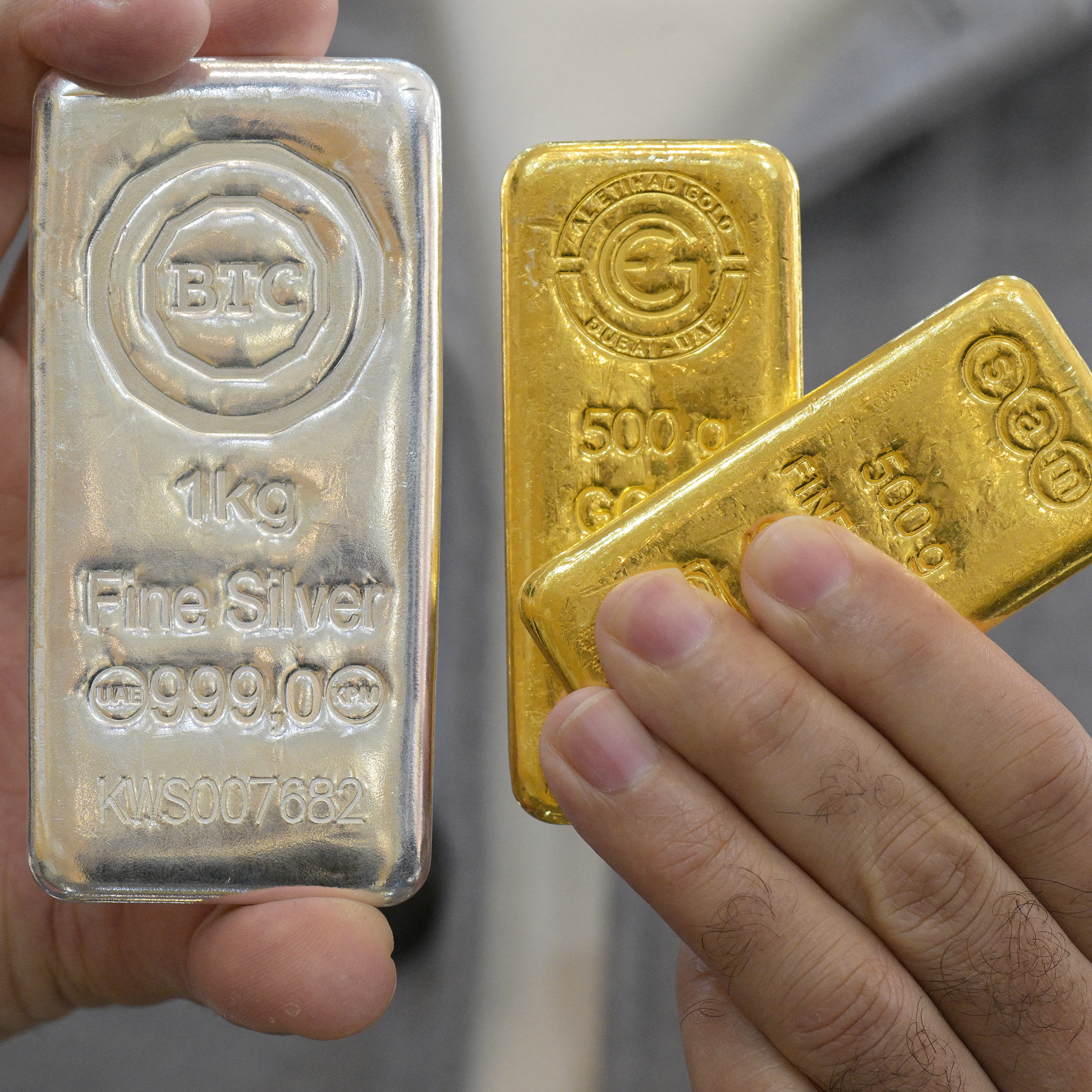
    The prices of gold and silver are on rollercoaster rides; Gold has been rising over the last few years, silver shot up like a skyrocket in January … but then both plunged in price and sputtered around the end of the month.  It raises the question: What is going on?  Today on the show, we talk with some traders about what this volatility of gold and silver is saying about the state of the world.  Related episodes:  Why is everyone buying gold? (https://www.npr.org/2025/10/01/nx-s1-5558443/why-is-everyone-buying-gold)  A new-ish gold rush and other indicators (https://www.npr.org/2025/03/21/1239865425/gold-germany-tariffs-trump-mergers-acquisitions)  For sponsor-free episodes of The Indicator from Planet Money, subscribe to Planet Money+ via Apple Podcasts or at plus.npr.org (http://plus.npr.org/). Fact-checking by Sierra Juarez (https://www.npr.org/people/1268825622/sierra-juarez). Music by Drop Electric (https://dropelectric.bandcamp.com/). Find us: TikTok (https://www.tiktok.com/@planetmoney), Instagram (https://www.instagram.com/planetmoney/), Facebook (https://www.facebook.com/planetmoney), Newsletter (https://www.npr.org/newsletter/money).   To manage podcast ad preferences, review the links below: See pcm.adswizz.com (https://pcm.adswizz.com) for information about our collection and use of personal data for sponsorship and to manage your podcast sponsorship preferences. Learn more about sponsor message choices: podcastchoices.com/adchoices (https://podcastchoices.com/adchoices) NPR Privacy Policy (https://www.npr.org/about-npr/179878450/privacy-policy)

    GoldSilverPrecious Metals
    The boxed meal helping Americans stay on budget

    The boxed meal helping Americans stay on budget

    Feb 10, 20269 min

    Food keeps getting more expensive, so how do shoppers respond? They change what they buy, right? It’s not just that cheaper foods get more popular. Shoppers are more nuanced than that. So, today on the show, we choose one classic meal that is tailor-made for this anxious economic moment. Why Hamburger Helper is poised to win 2026. Related episodes:  How niche brands got into your local supermarket (https://www.npr.org/2024/01/25/1197961375/battle-grocery-shelf-space-niche-brands) Can you trust you're getting the same grocery prices as someone else? (https://www.npr.org/2026/01/07/nx-s1-5668494/can-you-trust-youre-getting-the-same-grocery-prices-as-someone-else) Hits of the Dips: Songs of recessions past (https://www.npr.org/2022/09/01/1120622740/hits-of-the-dips-songs-of-recessions-past) For sponsor-free episodes of The Indicator from Planet Money, subscribe to Planet Money+ via Apple Podcasts or at plus.npr.org (http://plus.npr.org/). Fact-checking by Sierra Juarez (https://www.npr.org/people/1268825622/sierra-juarez). Music by Drop Electric (https://dropelectric.bandcamp.com/). Find us: TikTok (https://www.tiktok.com/@planetmoney), Instagram (https://www.instagram.com/planetmoney/), Facebook (https://www.facebook.com/planetmoney), Newsletter (https://www.npr.org/newsletter/money). To manage podcast ad preferences, review the links below: See pcm.adswizz.com (https://pcm.adswizz.com) for information about our collection and use of personal data for sponsorship and to manage your podcast sponsorship preferences. Learn more about sponsor message choices: podcastchoices.com/adchoices (https://podcastchoices.com/adchoices) NPR Privacy Policy (https://www.npr.org/about-npr/179878450/privacy-policy)

    Hamburger HelperEagle FoodsGround Beef
    Are we in an economic 'doom loop'?

    Are we in an economic 'doom loop'?

    Feb 9, 20269 min

    Trade wars. Financial panics. Inflation. How come it feels like it’s all bad news in the global economy these days? Economist Eswar Prasad’s answer: something he calls the ‘doom loop.’ That’s where massive geopolitical and economic forces feed off each other and send us careening into disorder. Sounds dire. But it’s not hopeless. On today’s show, are we in a doom loop? And if we are … how do we get out of one? Eswar Prasad’s new book is called “The Doom Loop: Why the World Economic Order Is Spiraling into Disorder” (https://thedoomloopbook.com/). Related episodes:  Is the financial media making us miserable about the economy? (https://www.npr.org/2024/03/11/1197962938/negative-consumer-sentiment-npr-indicator-media-economy) Why are some nations richer? (https://www.npr.org/2024/10/15/1211165443/the-indicator-from-planet-money-nobel-economics-prize-institutions-10-15-2024) For sponsor-free episodes of The Indicator from Planet Money, subscribe to Planet Money+ via Apple Podcasts or at plus.npr.org (http://plus.npr.org/). Fact-checking by Sierra Juarez (https://www.npr.org/people/1268825622/sierra-juarez). Music by Drop Electric (https://dropelectric.bandcamp.com/). Find us: TikTok (https://www.tiktok.com/@planetmoney), Instagram (https://www.instagram.com/planetmoney/), Facebook (https://www.facebook.com/planetmoney), Newsletter (https://www.npr.org/newsletter/money). To manage podcast ad preferences, review the links below: See pcm.adswizz.com (https://pcm.adswizz.com) for information about our collection and use of personal data for sponsorship and to manage your podcast sponsorship preferences. Learn more about sponsor message choices: podcastchoices.com/adchoices (https://podcastchoices.com/adchoices) NPR Privacy Policy (https://www.npr.org/about-npr/179878450/privacy-policy)

    Eswar PrasadDoom LoopGlobalization
    Just how bad are these job numbers?

    Just how bad are these job numbers?

    Feb 6, 20269 min

    It’s a weird time for jobs numbers. Another month, another jobs report pushed back by the Bureau of Labor Statistics. Averaging two private sources, ADP and Revelio Labs: an estimated 4,500 jobs were added in January. Sounds like … not many.  And, yet, the unemployment rate hasn’t seemed to have risen. This might be, in part, due to the Trump administration’s immigration crackdown. We’ll explain through the story of one Angeleno. On today’s show, how bad are these job numbers? Or are they not bad at all? And what does immigration have to do with it?  Related episodes:  Can we still trust the monthly jobs report? (Update) (https://www.npr.org/2025/08/05/1256758542/bls-firing-economic-data-integrity-update)  What you need to know about the jobs report revisions (https://www.npr.org/2025/08/06/1256812323/bureau-of-labor-statistics-revisions-explained)  What really goes on at the Bureau of Labor Statistics (Update) (https://www.npr.org/2025/08/04/1256727558/trump-fires-bls-director-jobs-report)  For sponsor-free episodes of The Indicator from Planet Money, subscribe to Planet Money+ via Apple Podcasts or at plus.npr.org (http://plus.npr.org/). Fact-checking by Sierra Juarez (https://www.npr.org/people/1268825622/sierra-juarez). Music by Drop Electric (https://dropelectric.bandcamp.com/). Find us: TikTok (https://www.tiktok.com/@planetmoney), Instagram (https://www.instagram.com/planetmoney/), Facebook (https://www.facebook.com/planetmoney), Newsletter (https://www.npr.org/newsletter/money).   To manage podcast ad preferences, review the links below: See pcm.adswizz.com (https://pcm.adswizz.com) for information about our collection and use of personal data for sponsorship and to manage your podcast sponsorship preferences. Learn more about sponsor message choices: podcastchoices.com/adchoices (https://podcastchoices.com/adchoices) NPR Privacy Policy (https://www.npr.org/about-npr/179878450/privacy-policy)

    Bureau of Labor StatisticsADPRevelio Labs
    Page 1 of 15Next