The Indicator from Planet Money
A bite-sized show about big ideas. From the people who make Planet Money, The Indicator helps you make sense of what's happening in today's economy. It's a quick hit of insight into money, work, and business. Monday through Friday, in 10 minutes or less.
Latest Episodes
View all
Want a 2.5% mortgage? Buy it.
Remember those juicy mortgage rates from back in 2021? You don’t actually need a time machine to get one today. You just need to find someone willing to sell their house AND their mortgage to you. Called ‘assumable mortgages,’ they take a long time to get,, and you’ll probably need a fat wad of cash. On today’s show, how to buy your way into a cheap mortgage rate. Related episodes: How mortgage rates get made (https://www.npr.org/2022/03/16/1087086300/how-mortgage-rates-get-made) How mortgage interest rates work (and why they're currently out of whack) (https://www.npr.org/2024/08/28/1197972299/mortgage-interest-rates-treasury-bond) For sponsor-free episodes of The Indicator from Planet Money, subscribe to Planet Money+ via Apple Podcasts or at plus.npr.org (http://plus.npr.org/). Fact-checking by Tyler Jones. Music by Drop Electric (https://dropelectric.bandcamp.com/). Find us: TikTok (https://www.tiktok.com/@planetmoney), Instagram (https://www.instagram.com/planetmoney/), Facebook (https://www.facebook.com/planetmoney), Newsletter (https://www.npr.org/newsletter/money). To manage podcast ad preferences, review the links below: See pcm.adswizz.com (https://pcm.adswizz.com) for information about our collection and use of personal data for sponsorship and to manage your podcast sponsorship preferences. Learn more about sponsor message choices: podcastchoices.com/adchoices (https://podcastchoices.com/adchoices) NPR Privacy Policy (https://www.npr.org/about-npr/179878450/privacy-policy)

The anxiety rattling China’s youth

Why Paramount went looney tunes for Warner Bros.

Should the families of organ donors be compensated?

ICE is bad for business, heat is bad for coffee, and sci-fi is bad for markets
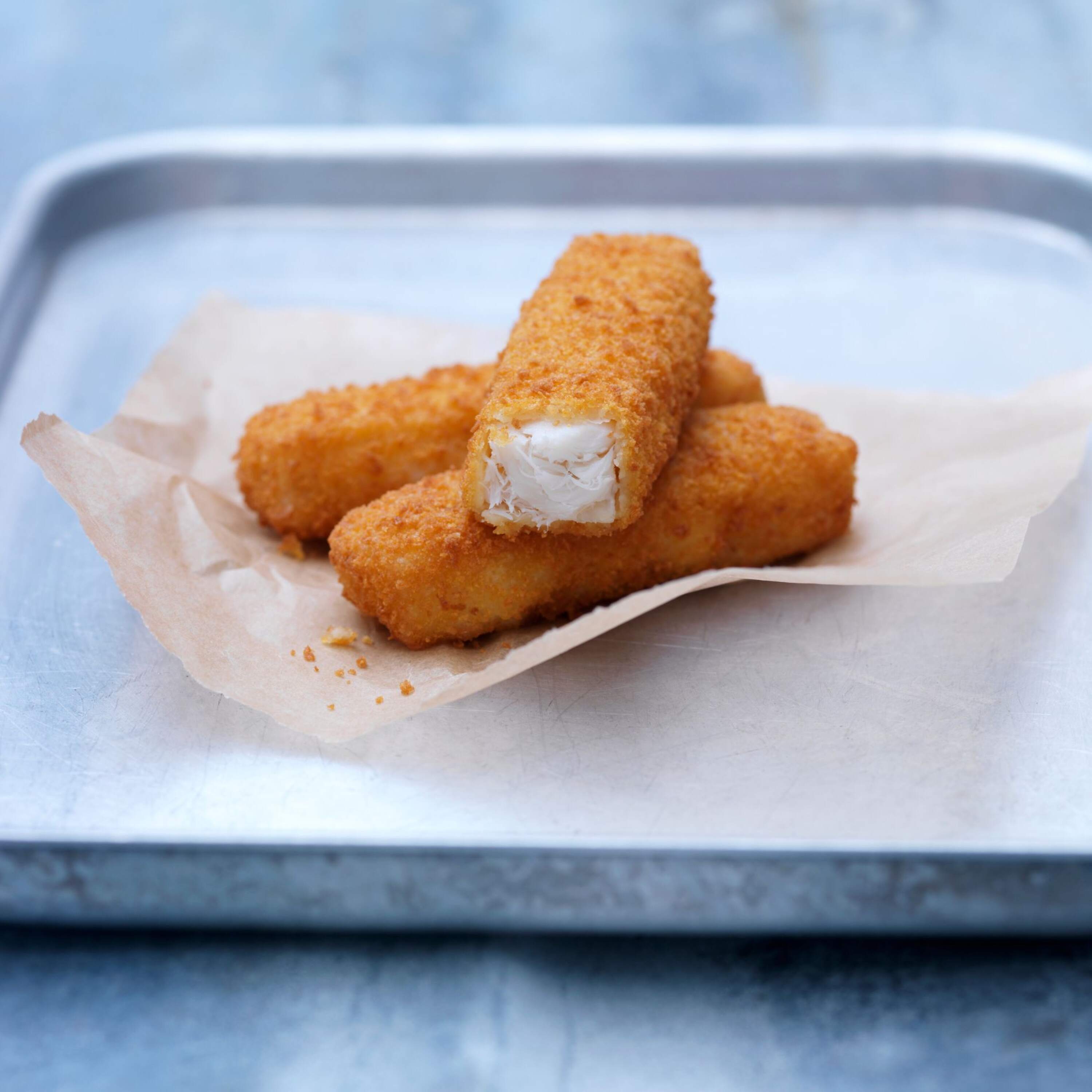
How your favorite fish sticks might be funding Russia's war