
All Episodes

300 episodes

Can you trust you're getting the same grocery prices as someone else?

9 min

When you're in a grocery store nowadays, chances are your data is being collected. From a swipe of the loyalty card to the purchase of an ice cream pint, your data tells stores what you like, how much they should stock, and more.  But what if that data meant a grocer could charge you a different price than another shopper? On today's show, the evolving price tag.   Related episodes: Should 'surveillance pricing' be banned? (https://www.npr.org/2025/09/23/nx-s1-5550264/should-surveillance-pricing-be-banned) How Grocery Shelves Get Stacked (https://www.npr.org/2019/04/30/718711109/how-grocery-shelves-get-stacked)  How niche brands got into your local supermarket (https://www.npr.org/2024/01/25/1197961375/battle-grocery-shelf-space-niche-brands) For sponsor-free episodes of The Indicator from Planet Money, subscribe to Planet Money+ via Apple Podcasts or at plus.npr.org (http://plus.npr.org/). Fact-checking by Sierra Juarez (https://www.npr.org/people/1268825622/sierra-juarez). Music by Drop Electric (https://dropelectric.bandcamp.com/). Find us: TikTok (https://www.tiktok.com/@planetmoney), Instagram (https://www.instagram.com/planetmoney/), Facebook (https://www.facebook.com/planetmoney), Newsletter (https://www.npr.org/newsletter/money). To manage podcast ad preferences, review the links below: See pcm.adswizz.com (https://pcm.adswizz.com) for information about our collection and use of personal data for sponsorship and to manage your podcast sponsorship preferences. Learn more about sponsor message choices: podcastchoices.com/adchoices (https://podcastchoices.com/adchoices) NPR Privacy Policy (https://www.npr.org/about-npr/179878450/privacy-policy)

InstacartPrice TestingPrice Discrimination

How cocaine smuggling through Latin America really works

9 min

Former Venezuelan leader, Nicolás Maduro, appeared in a New York court yesterday. He’s facing drug-trafficking and weapons charges after the U.S. abducted him and his wife in an explosive operation over the weekend. But is there any credibility to the drug-trafficking accusations? And what does the cocaine supply chain look like in 2026? Today on the show, tracing cocaine’s journey from the Andes to the streets of U.S. cities. Further reading:  Ioan Grillo – El Narco (https://www.ioangrillo.com/books/) Related episodes:  Venezuela’s economic descent (Updated) (https://www.npr.org/2026/01/03/nx-s1-5665743/venezuelas-economic-descent-updated) Why Are Venezuelans Starving? (https://www.npr.org/2019/03/20/705259623/why-are-venezuelans-starving) Lessons from a former drug dealer (https://www.npr.org/2022/05/16/1099240553/lessons-from-a-former-drug-dealer) For sponsor-free episodes of The Indicator from Planet Money, subscribe to Planet Money+ via Apple Podcasts or at plus.npr.org (http://plus.npr.org/). Fact-checking by Cooper Katz McKim (https://www.npr.org/people/1200794832/cooper-katz-mckim) and Sierra Juarez (https://www.npr.org/people/1268825622/sierra-juarez). Music by Drop Electric (https://dropelectric.bandcamp.com/). Find us: TikTok (https://www.tiktok.com/@planetmoney), Instagram (https://www.instagram.com/planetmoney/), Facebook (https://www.facebook.com/planetmoney), Newsletter (https://www.npr.org/newsletter/money). To manage podcast ad preferences, review the links below: See pcm.adswizz.com (https://pcm.adswizz.com) for information about our collection and use of personal data for sponsorship and to manage your podcast sponsorship preferences. Learn more about sponsor message choices: podcastchoices.com/adchoices (https://podcastchoices.com/adchoices) NPR Privacy Policy (https://www.npr.org/about-npr/179878450/privacy-policy)

Cocaine SmugglingNicolás MaduroVenezuela

Why China pulled the plug on Japan

9 min

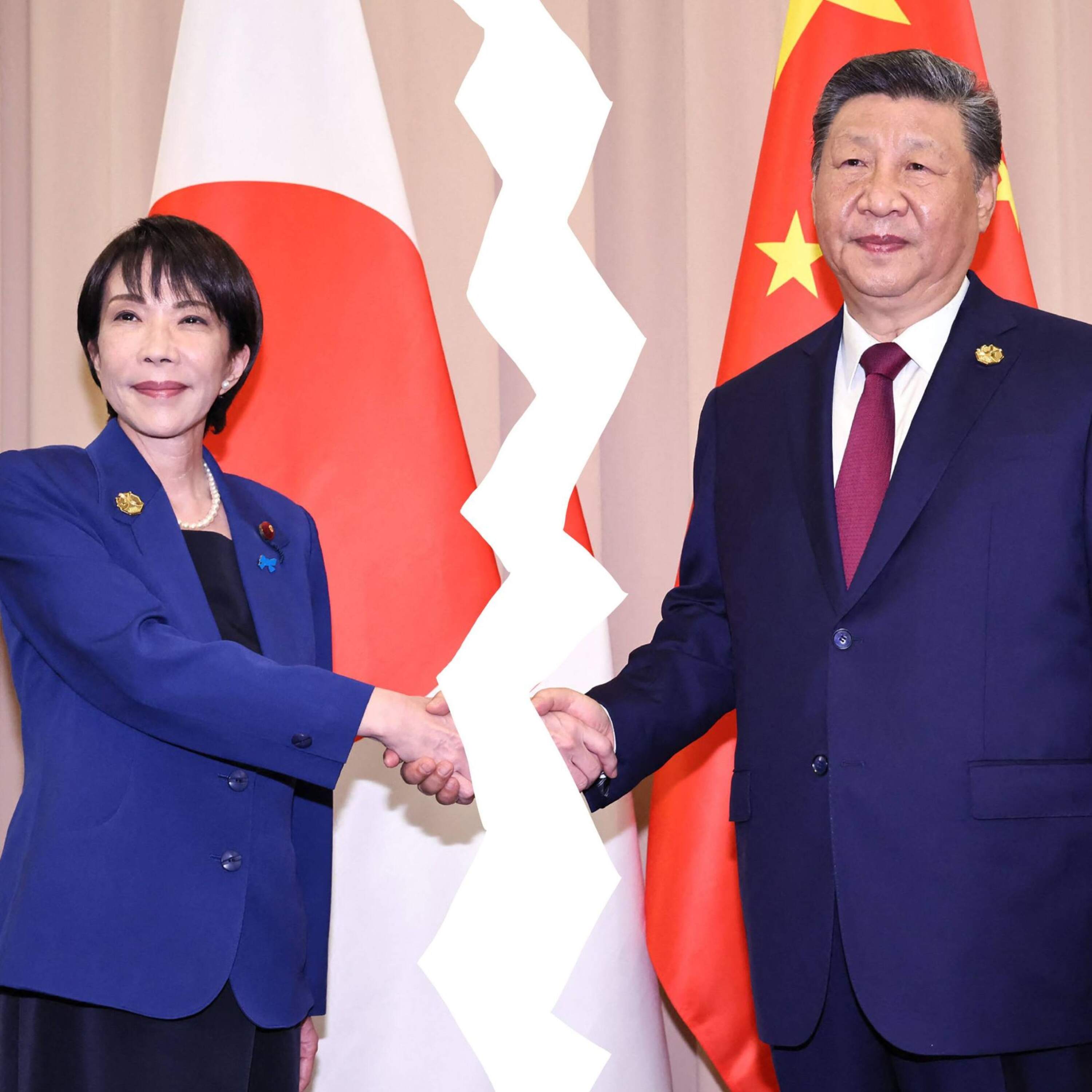
Japan’s new prime minister Sanae Takaichi made waves last fall after saying her country might intervene if China invaded Taiwan. In response, China launched state-organized boycotts against Japan — canceling concerts, restricting seafood imports, and even recalling pandas. Today on the show, what does it look like for a state to organize a boycott, and does it work? Related episodes: How Japan’s new prime minister is jolting markets (https://www.npr.org/2025/12/03/nx-s1-5629205/how-japans-new-prime-minister-is-jolting-markets) When do boycotts work? (https://www.npr.org/2025/04/28/1247707503/when-do-boycotts-work)  Forging Taiwan's Silicon Shield (https://www.npr.org/2022/10/07/1127595393/taiwan-miracle-semiconductor-silicon-shield-china) For sponsor-free episodes of The Indicator from Planet Money, subscribe to Planet Money+ via Apple Podcasts or at plus.npr.org (http://plus.npr.org/). Fact-checking by Sierra Juarez (https://www.npr.org/people/1268825622/sierra-juarez). Music by Drop Electric (https://dropelectric.bandcamp.com/). Find us: TikTok (https://www.tiktok.com/@planetmoney), Instagram (https://www.instagram.com/planetmoney/), Facebook (https://www.facebook.com/planetmoney), Newsletter (https://www.npr.org/newsletter/money).   To manage podcast ad preferences, review the links below: See pcm.adswizz.com (https://pcm.adswizz.com) for information about our collection and use of personal data for sponsorship and to manage your podcast sponsorship preferences. Learn more about sponsor message choices: podcastchoices.com/adchoices (https://podcastchoices.com/adchoices) NPR Privacy Policy (https://www.npr.org/about-npr/179878450/privacy-policy)

Sanae TakaichiChinaJapan

Venezuela’s economic descent (Updated)

10 min

At The Indicator, we’ve been following the conditions in Venezuela over the years. In 2024 we covered how Venezuela’s economy went into freefall, and have been checking in with an economist there frequently — including after the U.S. attacked over the weekend, deposing its leader Nicolás Maduro. On today’s show, we’re revisiting our episode about Venezuela’s economy, and hear from our contact in Caracas.  Send us questions you’d like The Indicator to answer on future episodes about Venezuela: indicator@npr.org (mailto:indicator@npr.org). Related episodes: The Measure of a Tragedy (https://www.npr.org/transcripts/621563128) Why are Venezuelans starving? (https://www.npr.org/2019/03/20/705259623/why-are-venezuelans-starving) An Economist in Caracas: Day In The Life (https://www.npr.org/sections/money/2019/03/27/707396339/an-economist-in-caracas-day-in-the-life)  For sponsor-free episodes of The Indicator from Planet Money, subscribe to Planet Money+ via Apple Podcasts or at plus.npr.org (http://plus.npr.org/). Music by Drop Electric (https://dropelectric.bandcamp.com/). Find us: TikTok (https://www.tiktok.com/@planetmoney), Instagram (https://www.instagram.com/planetmoney/), Facebook (https://www.facebook.com/planetmoney), Newsletter (https://www.npr.org/newsletter/money). To manage podcast ad preferences, review the links below: See pcm.adswizz.com (https://pcm.adswizz.com) for information about our collection and use of personal data for sponsorship and to manage your podcast sponsorship preferences. Learn more about sponsor message choices: podcastchoices.com/adchoices (https://podcastchoices.com/adchoices) NPR Privacy Policy (https://www.npr.org/about-npr/179878450/privacy-policy)
VenezuelaNicolás MaduroHugo Chávez

We resolve to watch these 2026 indicators

9 min

2025 is finally over.  We had bad consumer sentiment vibes, tariffs, and a seemingly ascendant stock market. And those are just a few indicators from last year!   As we enter 2026, what indicators should we keep an eye on … in the future? On today’s episode, our top indicator predictions for the new year. Related: What AI data centers are doing to your electric bill (https://www.npr.org/2025/12/19/nx-s1-5649814/ai-data-center-electricity-bill) Tariffs. Consumer sentiment. Cape ratio. Pick the Indicator of the Year! (https://www.npr.org/2025/12/19/nx-s1-5648809/tariffs-consumer-sentiment-cape-ratio-pick-the-indicator-of-the-year) What indicators will 2025 bring? (https://www.npr.org/2024/12/23/1221439465/indicators-of-the-year-economy-tariffs-inflation-soft-landing)  For sponsor-free episodes of The Indicator from Planet Money, subscribe to Planet Money+ via Apple Podcasts or at plus.npr.org (http://plus.npr.org/). Fact-checking by Sierra Juarez (https://www.npr.org/people/1268825622/sierra-juarez). Music by Drop Electric (https://dropelectric.bandcamp.com/). Find us: TikTok (https://www.tiktok.com/@planetmoney), Instagram (https://www.instagram.com/planetmoney/), Facebook (https://www.facebook.com/planetmoney), Newsletter (https://www.npr.org/newsletter/money).   To manage podcast ad preferences, review the links below: See pcm.adswizz.com (https://pcm.adswizz.com) for information about our collection and use of personal data for sponsorship and to manage your podcast sponsorship preferences. Learn more about sponsor message choices: podcastchoices.com/adchoices (https://podcastchoices.com/adchoices) NPR Privacy Policy (https://www.npr.org/about-npr/179878450/privacy-policy)
Federal Funds RateJerome PowellFed Independence

Why Americans don't want to move for jobs anymore (Encore)

10 min

Americans are moving at record lows for work. What’s driving people to, well, not drive cross-country for jobs? On today’s episode, we explore the rising homebody economy.  This episode originally aired Oct. 3, 2025.  Related episodes:  Why moms are leaving their paid jobs (https://www.npr.org/2025/09/05/nx-s1-5529259/why-moms-are-leaving-their-paid-jobs)  How the end of Roe is reshaping the medical workforce (https://www.npr.org/2024/07/01/1197967379/obgyn-students-leaving-states-strict-abortion-bans)  For sponsor-free episodes of The Indicator from Planet Money, subscribe to Planet Money+ via Apple Podcasts or at plus.npr.org (http://plus.npr.org/). Fact-checking by Corey Bridges. Music by Drop Electric (https://dropelectric.bandcamp.com/). Find us: TikTok (https://www.tiktok.com/@planetmoney), Instagram (https://www.instagram.com/planetmoney/), Facebook (https://www.facebook.com/planetmoney), Newsletter (https://www.npr.org/newsletter/money).   To manage podcast ad preferences, review the links below: See pcm.adswizz.com (https://pcm.adswizz.com) for information about our collection and use of personal data for sponsorship and to manage your podcast sponsorship preferences. Learn more about sponsor message choices: podcastchoices.com/adchoices (https://podcastchoices.com/adchoices) NPR Privacy Policy (https://www.npr.org/about-npr/179878450/privacy-policy)
Huntsville AlabamaFBI RelocationSpace Command

The cautionary tale of a recovering day trading addict (Encore)

9 min

Seasons greetings from the The Indicator! On today's show, the story of a man who started buying and selling stocks as a hobby — and got seriously addicted. We also speak with a neuroeconomist about the human brain on day trading.  This piece originally aired Jan. 25, 2025.  Related episodes:  The young trolls of Wall Street are growing up (https://www.npr.org/2024/07/18/nx-s1-5043657/the-indicator-from-planet-money-the-young-trolls-of-wall-street-are-growing-up)  Invest like a Congress member (https://www.npr.org/2024/06/18/1197965254/stock-trading-congress-etfs-unusual-whales) For sponsor-free episodes of The Indicator from Planet Money, subscribe to Planet Money+ via Apple Podcasts or at plus.npr.org (http://plus.npr.org/). Fact-checking by Sierra Juarez (https://www.npr.org/people/1268825622/sierra-juarez). Music by Drop Electric (https://dropelectric.bandcamp.com/). Find us: TikTok (https://www.tiktok.com/@planetmoney), Instagram (https://www.instagram.com/planetmoney/), Facebook (https://www.facebook.com/planetmoney), Newsletter (https://www.npr.org/newsletter/money).   To manage podcast ad preferences, review the links below: See pcm.adswizz.com (https://pcm.adswizz.com) for information about our collection and use of personal data for sponsorship and to manage your podcast sponsorship preferences. Learn more about sponsor message choices: podcastchoices.com/adchoices (https://podcastchoices.com/adchoices) NPR Privacy Policy (https://www.npr.org/about-npr/179878450/privacy-policy)

Day TradingGambling AddictionChris Garver

The secret to Nintendo's success (Encore)

11 min

For the next week, we're running some of our favorite shows from this year. On today's show, a brief history of Nintendo and how a small playing card company in Japan became a gaming juggernaut. This piece originally aired June 16, 2025.Related episodes:   Inside video game economics (https://www.npr.org/2024/05/08/1197958978/two-indicators-gaming-industry)   Forever games: the economics of the live service model (https://www.npr.org/2024/04/22/1197963994/indicator-from-planet-money-live-service-games-warframe)  The boom and bust of esports (https://www.npr.org/2024/04/24/1197964043/the-boom-and-bust-of-esports)  For sponsor-free episodes of The Indicator from Planet Money, subscribe to Planet Money+ via Apple Podcasts or at plus.npr.org (http://plus.npr.org/). Fact-checking by Sierra Juarez (https://www.npr.org/people/1268825622/sierra-juarez). Music by Drop Electric (https://dropelectric.bandcamp.com/). Find us: TikTok (https://www.tiktok.com/@planetmoney), Instagram (https://www.instagram.com/planetmoney/), Facebook (https://www.facebook.com/planetmoney), Newsletter (https://www.npr.org/newsletter/money).   To manage podcast ad preferences, review the links below: See pcm.adswizz.com (https://pcm.adswizz.com) for information about our collection and use of personal data for sponsorship and to manage your podcast sponsorship preferences. Learn more about sponsor message choices: podcastchoices.com/adchoices (https://podcastchoices.com/adchoices) NPR Privacy Policy (https://www.npr.org/about-npr/179878450/privacy-policy)

NintendoNESSwitch 2

Why every A-lister also has a side hustle (Encore)

9 min

Happy Holidays from The Indicator! For the next week, we're running some of our favorite shows from this year. On today's show, why celebrities are increasingly investing in their own brands.This piece originally aired August 14, 2025.Related episodes: The celebrity crypto nexus (https://www.npr.org/2022/06/27/1108033471/the-celebrity-crypto-nexus) The Olympian to influencer pipeline (Apple (https://podcasts.apple.com/us/podcast/the-indicator-from-planet-money/id1320118593?i=1000667202033) / Spotify (https://open.spotify.com/episode/0AwikY1q07AQDkQxaiYpZL?si=41baac77d0e24287)) For sponsor-free episodes of The Indicator from Planet Money, subscribe to Planet Money+ via Apple Podcasts or at plus.npr.org (http://plus.npr.org/). Fact-checking by Sierra Juarez (https://www.npr.org/people/g-s1-26724/sierra-juarez). Music by Drop Electric (https://dropelectric.bandcamp.com/). Find us: TikTok (https://www.tiktok.com/@planetmoney), Instagram (https://www.instagram.com/planetmoney/), Facebook (https://www.facebook.com/planetmoney), Newsletter (https://www.npr.org/newsletter/money). To manage podcast ad preferences, review the links below: See pcm.adswizz.com (https://pcm.adswizz.com) for information about our collection and use of personal data for sponsorship and to manage your podcast sponsorship preferences. Learn more about sponsor message choices: podcastchoices.com/adchoices (https://podcastchoices.com/adchoices) NPR Privacy Policy (https://www.npr.org/about-npr/179878450/privacy-policy)

Lisa LoebJohn LegendRyan Reynolds

The worst year of Warren Buffett’s career

10 min

As Warren Buffett aged, he became a different sort of figure. He transformed from short-term investor into long-term builder. He used Berkshire Hathaway to start buying companies and build an empire. Today on the show, how did Buffett’s fame become an investment tool and how did he handle the biggest crisis of his career?  Related episodes:  Planet Money Summer School 2: Index Funds & The Bet (https://www.npr.org/2021/07/29/1022440582/planet-money-summer-school-2-index-funds-the-bet) Brilliant vs. Boring (https://www.npr.org/sections/money/2016/03/04/469247400/episode-688-brilliant-vs-boring)  For sponsor-free episodes of The Indicator from Planet Money, subscribe to Planet Money+ via Apple Podcasts or at plus.npr.org (http://plus.npr.org/). Fact-checking by Sierra Juarez (https://www.npr.org/people/1268825622/sierra-juarez). Music by Drop Electric (https://dropelectric.bandcamp.com/). Find us: TikTok (https://www.tiktok.com/@planetmoney), Instagram (https://www.instagram.com/planetmoney/), Facebook (https://www.facebook.com/planetmoney), Newsletter (https://www.npr.org/newsletter/money).   To manage podcast ad preferences, review the links below: See pcm.adswizz.com (https://pcm.adswizz.com) for information about our collection and use of personal data for sponsorship and to manage your podcast sponsorship preferences. Learn more about sponsor message choices: podcastchoices.com/adchoices (https://podcastchoices.com/adchoices) NPR Privacy Policy (https://www.npr.org/about-npr/179878450/privacy-policy)

Warren BuffettBerkshire HathawayCharlie Munger

The spite acquisition that launched Warren Buffett

9 min

With an unprecedented decades-long run of success, Warren Buffett is retiring on December 31, 2025. Buffett’s turning point began with the acquisition of a failing textile mill called Berkshire Hathaway. What began as a “terrible mistake” became the foundation for his empire. Today on the show, how did Buffett become this legendary figure? Related episodes:  Planet Money Summer School 2: Index Funds & The Bet (https://www.npr.org/2021/07/29/1022440582/planet-money-summer-school-2-index-funds-the-bet) Brilliant vs. Boring (https://www.npr.org/sections/money/2016/03/04/469247400/episode-688-brilliant-vs-boring) For sponsor-free episodes of The Indicator from Planet Money, subscribe to Planet Money+ via Apple Podcasts or at plus.npr.org (http://plus.npr.org/). Fact-checking by Sierra Juarez (https://www.npr.org/people/1268825622/sierra-juarez). Music by Drop Electric (https://dropelectric.bandcamp.com/). Find us: TikTok (https://www.tiktok.com/@planetmoney), Instagram (https://www.instagram.com/planetmoney/), Facebook (https://www.facebook.com/planetmoney), Newsletter (https://www.npr.org/newsletter/money).   To manage podcast ad preferences, review the links below: See pcm.adswizz.com (https://pcm.adswizz.com) for information about our collection and use of personal data for sponsorship and to manage your podcast sponsorship preferences. Learn more about sponsor message choices: podcastchoices.com/adchoices (https://podcastchoices.com/adchoices) NPR Privacy Policy (https://www.npr.org/about-npr/179878450/privacy-policy)

Warren BuffettBerkshire HathawayValue Investing

Tariffs. Consumer sentiment. Cape Ratio. Pick The Indicator of The Year!

9 min

2025 was a wild year for the U.S. economy. Tariffs transformed the global economy, consumer sentiment hit near-historic lows, and the stock market hit scary, spooky, blood-curdling new heights! So … which of these economic stories defined the year?  Our hosts from Planet Money and The Indicator duke it out during our annual … Family Feud! Tell us who you think has THE indicator of the year by emailing us at indicator@npr.org (mailto:indicator@npr.org). Put “Family Feud” in the subject line.  Related episodes: The Indicators of this year and next (https://www.npr.org/2024/12/25/1221512103/indicator-of-the-year-family-feud)  This indicator hasn’t flashed this red since the dot-com bubble (https://www.npr.org/2025/11/06/nx-s1-5600041/this-indicator-hasnt-flashed-this-red-since-the-dot-com-bubble)  What would it mean to actually refund the tariffs? (https://www.npr.org/2025/12/02/nx-s1-5627159/what-would-it-mean-to-actually-refund-the-tariffs) For sponsor-free episodes of The Indicator from Planet Money, subscribe to Planet Money+ via Apple Podcasts or at plus.npr.org (http://plus.npr.org/). Fact-checking by Corey Bridges. Music by Drop Electric (https://dropelectric.bandcamp.com/). Find us: TikTok (https://www.tiktok.com/@planetmoney), Instagram (https://www.instagram.com/planetmoney/), Facebook (https://www.facebook.com/planetmoney), Newsletter (https://www.npr.org/newsletter/money).   To manage podcast ad preferences, review the links below: See pcm.adswizz.com (https://pcm.adswizz.com) for information about our collection and use of personal data for sponsorship and to manage your podcast sponsorship preferences. Learn more about sponsor message choices: podcastchoices.com/adchoices (https://podcastchoices.com/adchoices) NPR Privacy Policy (https://www.npr.org/about-npr/179878450/privacy-policy)
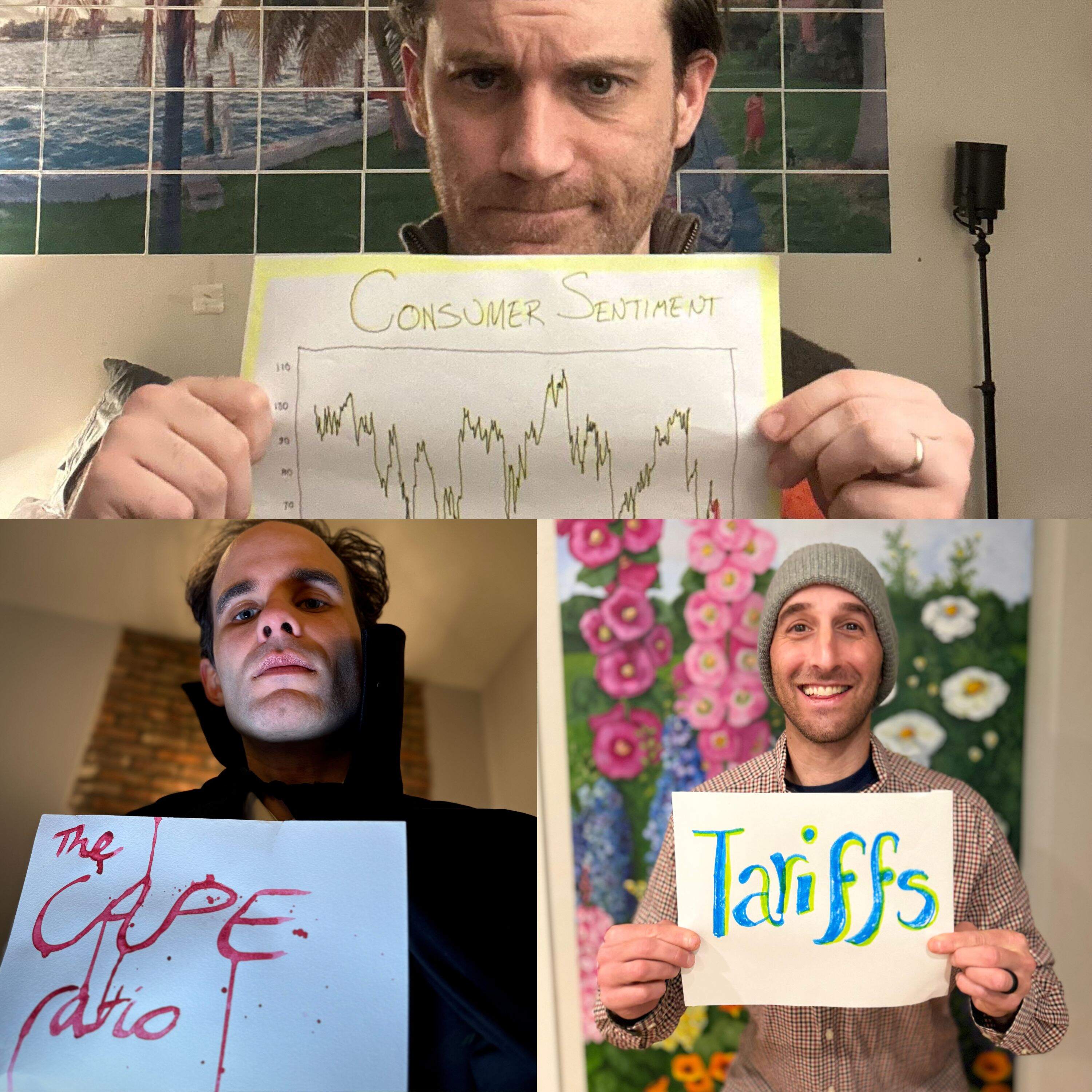
TariffsConsumer SentimentCAPE Ratio

Catching up with a fired federal worker, a shrimper and a fraudster

10 min

After a firehose of economic news in 2025, we wanted to check back on some of the people we’ve heard from on our show. Today, we check in with a former federal employee caught in the Trump administration's wood chipper, a Louisiana shrimper on Trump’s tariffs and an update on a financial aid scam. Related episodes:  Why do shrimpers like tariffs? (https://www.npr.org/2025/05/07/1249592910/us-shrimping-industry-applauds-tariffs)  What’s the long-term cost of federal layoffs? (https://www.npr.org/2025/02/25/1233779222/opm-cfpb-musk-trump-federal-employees-layoffs)  A big bank’s mistake, explained (https://www.npr.org/2023/01/20/1150479114/a-big-banks-big-mistake-explained)  For sponsor-free episodes of The Indicator from Planet Money, subscribe to Planet Money+ via Apple Podcasts or at plus.npr.org (http://plus.npr.org/). Fact-checking by Sierra Juarez (https://www.npr.org/people/1268825622/sierra-juarez). Music by Drop Electric (https://dropelectric.bandcamp.com/). Find us: TikTok (https://www.tiktok.com/@planetmoney), Instagram (https://www.instagram.com/planetmoney/), Facebook (https://www.facebook.com/planetmoney), Newsletter (https://www.npr.org/newsletter/money).   To manage podcast ad preferences, review the links below: See pcm.adswizz.com (https://pcm.adswizz.com) for information about our collection and use of personal data for sponsorship and to manage your podcast sponsorship preferences. Learn more about sponsor message choices: podcastchoices.com/adchoices (https://podcastchoices.com/adchoices) NPR Privacy Policy (https://www.npr.org/about-npr/179878450/privacy-policy)

Elizabeth AniskevichCFPBTrump administration

The ghosts of Obamacare past, present and future

9 min

Absent a holiday miracle, premium subsidies for the Affordable Care Act are set to expire at the end of this year. This will greatly increase the cost of health insurance for many who rely on the marketplace for their coverage. Today on the show, we are visited by the ghosts of Obamacare past, present and future to learn what’s next for this landmark healthcare legislation. Related episodes:  Is Obamacare doomed without extended subsidies? (https://www.npr.org/2025/10/29/nx-s1-5588653/is-obamacare-doomed-without-extended-subsidies) The hidden costs of healthcare churn (https://www.npr.org/2025/06/12/1254056490/healthcare-churn-insurance-medicaid-america) How doctors helped tank universal healthcare (https://www.npr.org/2025/06/09/1253891564/how-doctors-helped-tank-universal-health-care) For sponsor-free episodes of The Indicator from Planet Money, subscribe to Planet Money+ via Apple Podcasts or at plus.npr.org (http://plus.npr.org/). Fact-checking by Sierra Juarez (https://www.npr.org/people/1268825622/sierra-juarez). Music by Drop Electric (https://dropelectric.bandcamp.com/). Find us: TikTok (https://www.tiktok.com/@planetmoney), Instagram (https://www.instagram.com/planetmoney/), Facebook (https://www.facebook.com/planetmoney), Newsletter (https://www.npr.org/newsletter/money).  To manage podcast ad preferences, review the links below: See pcm.adswizz.com (https://pcm.adswizz.com) for information about our collection and use of personal data for sponsorship and to manage your podcast sponsorship preferences. Learn more about sponsor message choices: podcastchoices.com/adchoices (https://podcastchoices.com/adchoices) NPR Privacy Policy (https://www.npr.org/about-npr/179878450/privacy-policy)

ObamacareACA SubsidiesPremium Tax Credits

Will new loan limits lower the cost of grad school?

10 min

The One Big Beautiful Bill Act made a lot of changes to the federal student loan system. One of those changes put a new cap on the amount of loans students in graduate school can take on. Today on the show, we explain the theory behind this change and how it could impact the broader labor market going forward. Related episodes:  The Market For Student Loans (https://www.npr.org/2020/07/01/886346296/the-market-for-student-loans) Here's why Black students are defaulting (https://www.npr.org/2022/07/18/1112145621/heres-why-black-students-are-defaulting) Student loans are back, U.S. travel is whack, and AI — please, step back (http://npr.org/2025/04/25/1247139368/student-loans-ai-artificial-intelligence-tourism-economy) For sponsor-free episodes of The Indicator from Planet Money, subscribe to Planet Money+ via Apple Podcasts or at plus.npr.org (http://plus.npr.org/). Fact-checking by Sierra Juarez (https://www.npr.org/people/1268825622/sierra-juarez). Music by Drop Electric (https://dropelectric.bandcamp.com/). Find us: TikTok (https://www.tiktok.com/@planetmoney), Instagram (https://www.instagram.com/planetmoney/), Facebook (https://www.facebook.com/planetmoney), Newsletter (https://www.npr.org/newsletter/money).  To manage podcast ad preferences, review the links below: See pcm.adswizz.com (https://pcm.adswizz.com) for information about our collection and use of personal data for sponsorship and to manage your podcast sponsorship preferences. Learn more about sponsor message choices: podcastchoices.com/adchoices (https://podcastchoices.com/adchoices) NPR Privacy Policy (https://www.npr.org/about-npr/179878450/privacy-policy)
Grad PlusOne Big Beautiful Bill ActBennett Hypothesis

Can American cities grow AND stay affordable?

9 min

Cities like Austin and Atlanta used to top lists of places people moved to looking for relatively affordable places to live. Until, one day, they weren’t that affordable. On today’s show, how a low cost of living is threatened by growth, and how one sunbelt city in Alabama is planning ahead.  Related episodes:  Why Americans don’t want to move for jobs anymore (https://www.npr.org/2025/10/03/nx-s1-5561049/why-americans-dont-want-to-move-for-jobs-anymore)  How to build abundantly (https://www.npr.org/2025/05/27/1253209947/how-to-build-abundantly)  How big is the US housing shortage? (https://www.npr.org/2024/11/25/1215189230/how-trump-tariffs-imports)  The highs and lows of US rents (https://www.google.com/search?q=rent+price+npr+indicator&oq=rent+price+npr+indicator&gs_lcrp=EgZjaHJvbWUyBggAEEUYOTIHCAEQABiABDIHCAIQABiABDIHCAMQABiABDIHCAQQABiABDIHCAUQABiABDIICAYQABgWGB4yCAgHEAAYFhgeMggICBAAGBYYHjIICAkQABgWGB7SAQgzNDIyajBqNKgCALACAA&sourceid=chrome&ie=UTF-8)  For sponsor-free episodes of The Indicator from Planet Money, subscribe to Planet Money+ via Apple Podcasts or at plus.npr.org (http://plus.npr.org/). Fact-checking by Sierra Juarez (https://www.npr.org/people/1268825622/sierra-juarez). Music by Drop Electric (https://dropelectric.bandcamp.com/). Find us: TikTok (https://www.tiktok.com/@planetmoney), Instagram (https://www.instagram.com/planetmoney/), Facebook (https://www.facebook.com/planetmoney), Newsletter (https://www.npr.org/newsletter/money).   To manage podcast ad preferences, review the links below: See pcm.adswizz.com (https://pcm.adswizz.com) for information about our collection and use of personal data for sponsorship and to manage your podcast sponsorship preferences. Learn more about sponsor message choices: podcastchoices.com/adchoices (https://podcastchoices.com/adchoices) NPR Privacy Policy (https://www.npr.org/about-npr/179878450/privacy-policy)
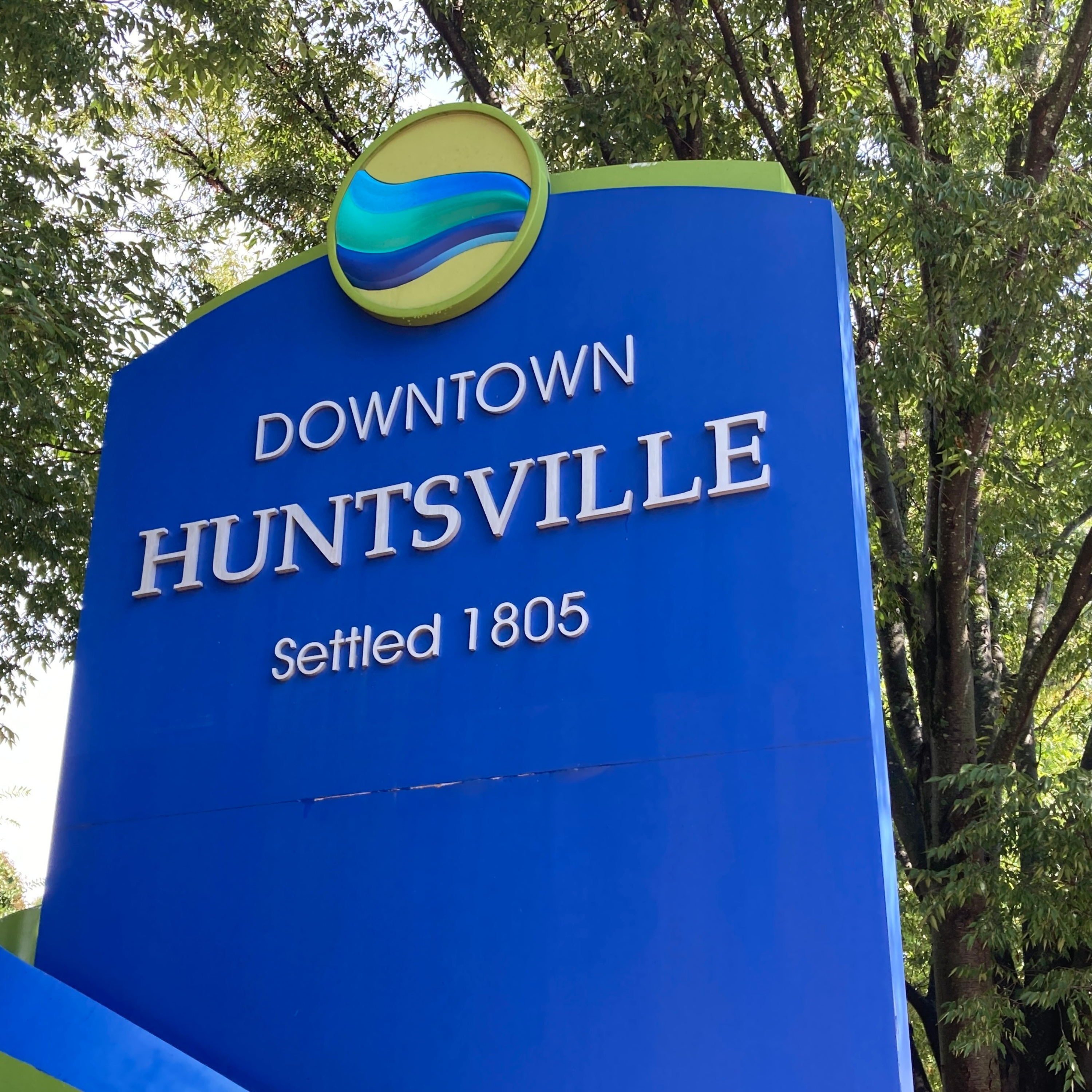
Huntsville AlabamaAustinAtlanta

Nvidia chips for China, frozen Russian funds, and a lot of self-checkout stealing

9 min

It’s … Indicators of the Week! Our weekly look at some of the most fascinating economic numbers from the news.  On today’s episode: Nvidia chips OK’d for China, a sticky frozen Russian asset situation, and a lot of you seem to be stealing from self-checkout.  Related episodes: The tower of NVIDIA (https://www.npr.org/2024/06/24/1197965414/how-nvidia-jensen-huang-fueled-ai)How to get Russia to pay Ukraine (https://www.npr.org/2024/03/07/1197962873/how-to-get-russia-to-pay-ukraine) Why the U.S. cut China off from advanced chips (https://www.npr.org/2022/10/19/1129990818/why-the-u-s-cut-china-off-from-advanced-chips) For sponsor-free episodes of The Indicator from Planet Money, subscribe to Planet Money+ via Apple Podcasts or at plus.npr.org (http://plus.npr.org/). Fact-checking by Sierra Juarez (https://www.npr.org/people/1268825622/sierra-juarez) and Corey Bridges. Music by Drop Electric (https://dropelectric.bandcamp.com/). Find us: TikTok (https://www.tiktok.com/@planetmoney), Instagram (https://www.instagram.com/planetmoney/), Facebook (https://www.facebook.com/planetmoney), Newsletter (https://www.npr.org/newsletter/money).   To manage podcast ad preferences, review the links below: See pcm.adswizz.com (https://pcm.adswizz.com) for information about our collection and use of personal data for sponsorship and to manage your podcast sponsorship preferences. Learn more about sponsor message choices: podcastchoices.com/adchoices (https://podcastchoices.com/adchoices) NPR Privacy Policy (https://www.npr.org/about-npr/179878450/privacy-policy)
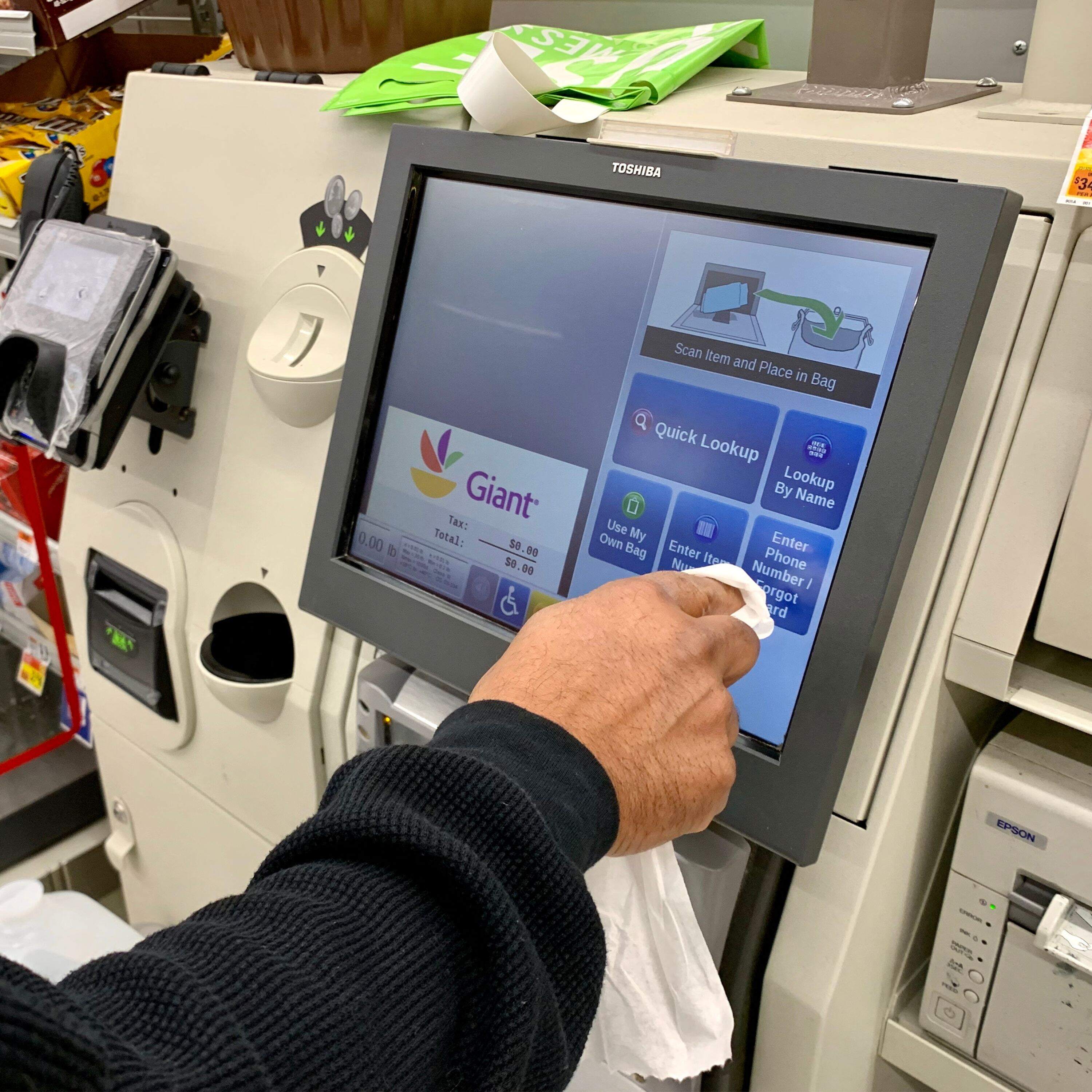
Nvidia H200China AI chipsFrozen Russian assets

How to make $35 trillion ... disappear

11 min

You may be familiar with the AI-fueled stock market boom. Well, former International Monetary Fund Chief Economist Gita Gopinath warns it could mirror the dot-com boom of the late 1990s. But worse. She calculates a similar crash could erase $35 trillion in global wealth (https://www.economist.com/by-invitation/2025/10/15/gita-gopinath-on-the-crash-that-could-torch-35trn-of-wealth). Today on the show, what would that mean for the US and global economies?  Related episodes:  This indicator hasn’t flashed this red since the dot-com bubble (https://www.npr.org/2025/11/06/nx-s1-5600041/this-indicator-hasnt-flashed-this-red-since-the-dot-com-bubble)  Open AI’s deals are looking a little frothy (https://www.npr.org/2025/10/16/nx-s1-5575729/openais-deals-are-looking-a-little-frothy) For sponsor-free episodes of The Indicator from Planet Money, subscribe to Planet Money+ via Apple Podcasts or at plus.npr.org (http://plus.npr.org/). Fact-checking by Sierra Juarez (https://www.npr.org/people/1268825622/sierra-juarez). Music by Drop Electric (https://dropelectric.bandcamp.com/). Find us: TikTok (https://www.tiktok.com/@planetmoney), Instagram (https://www.instagram.com/planetmoney/), Facebook (https://www.facebook.com/planetmoney), Newsletter (https://www.npr.org/newsletter/money). To manage podcast ad preferences, review the links below: See pcm.adswizz.com (https://pcm.adswizz.com) for information about our collection and use of personal data for sponsorship and to manage your podcast sponsorship preferences. Learn more about sponsor message choices: podcastchoices.com/adchoices (https://podcastchoices.com/adchoices) NPR Privacy Policy (https://www.npr.org/about-npr/179878450/privacy-policy)

Gita GopinathAI BoomStock Market Bubble